Spotify Hit by Massive Data Breach as 300 TB of Music Metadata Shakes the Streaming World
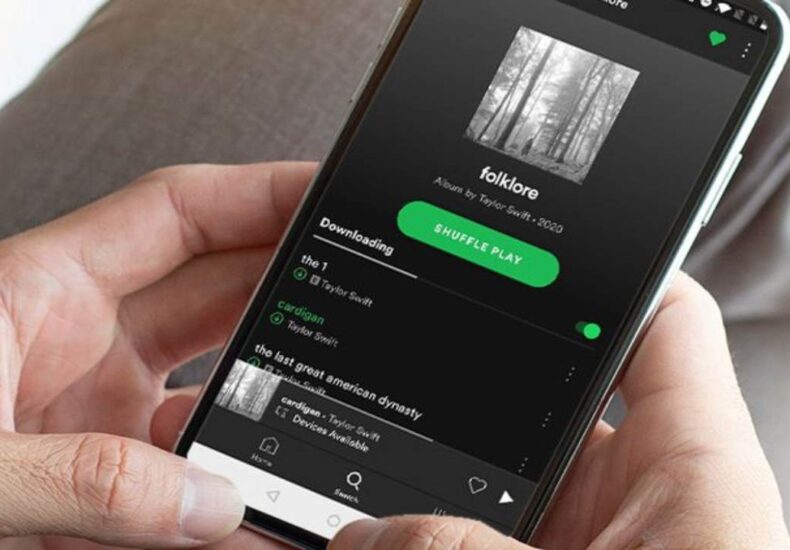
Fundacion Rapala – Spotify has long been seen as a stable pillar of the global music industry, quietly powering playlists, discoveries, and daily routines for hundreds of millions of listeners. That calm image cracked when reports surfaced about a massive data breach allegedly involving up to 300 terabytes of Spotify-related data. The revelation didn’t come from a flashy hack announcement, but from a blog post titled “Backing up Spotify” published by piracy group Anna’s Archive. The claim immediately sparked concern across the tech and music worlds. While listeners continued streaming as usual, questions began to ripple beneath the surface. What data was accessed? Who was affected? And could this incident change how digital music platforms protect artists and users? The story feels less like a sudden explosion and more like a slow-burning fuse, one that exposes how vulnerable even the biggest platforms can be in an era driven by data.
Inside the Claim: What Hackers Say They Took
According to Anna’s Archive, the group managed to collect an enormous trove of Spotify-related information. They claim to have copied metadata from more than 250 million tracks, along with tens of millions of audio file references. In total, the group estimates the dataset reaches nearly 300 terabytes in size. However, despite the dramatic numbers, only metadata has appeared publicly so far. This metadata includes song titles, artists, albums, and structural catalog information, rather than playable music files. Still, the scale alone has alarmed experts. Metadata might seem harmless at first glance, but in aggregate it represents the backbone of Spotify’s music ecosystem. By publishing this data through torrent networks, the group framed the act as digital preservation rather than piracy. That narrative, however, does little to calm concerns within an industry already battling unauthorized distribution and copyright abuse.
Spotify Responds and Confirms Unauthorized Access
Spotify moved quickly to address the growing speculation. In an official statement, the company confirmed that it detected unauthorized access involving the scraping of publicly available metadata. Spotify explained that certain actors attempted to bypass its Digital Rights Management systems to reach limited audio-related data. Once identified, Spotify disabled the accounts involved and implemented additional security measures. The company emphasized that no sensitive user information, passwords, or payment data were compromised. Still, the admission confirmed that the platform faced a real breach, not just exaggerated claims. Spotify also reaffirmed its stance against piracy, stressing its long-standing commitment to artists and rights holders. While the company’s response aimed to reassure users, it also highlighted a growing challenge for tech firms: defending massive digital libraries against increasingly sophisticated and persistent scraping operations.
Why Metadata Still Matters More Than It Seems
To casual listeners, metadata may sound like harmless background information. Yet for streaming platforms, metadata acts as the nervous system that connects songs, artists, playlists, and recommendations. Experts warn that large-scale access to such data could theoretically allow bad actors to recreate Spotify-like catalogs elsewhere. Yoav Zimmerman, a legal-tech executive, noted that with enough storage and infrastructure, someone could attempt to build an illegal “free Spotify” experience using similar metadata structures. Even without full audio files, metadata enables indexing, search, and discovery. That makes it incredibly valuable. While any such service would violate copyright law, the technical possibility alone raises red flags. This incident shows that protecting digital music isn’t only about guarding audio files, but also about securing the invisible architecture that makes modern streaming possible.
“Read More : Slow Epstein Files Disclosures Ignite Fresh Political Turmoil Around Trump”
The Piracy Group’s Framing as “Digital Preservation”
Anna’s Archive presented the breach as part of a mission to preserve global culture. The group previously focused on archiving books, academic papers, and textual resources. In this case, they described the Spotify data as the first fully open archive of global music metadata. That framing sparked intense debate. Supporters argue that preserving cultural records protects knowledge from corporate control. Critics counter that music already exists through licensed platforms and that unauthorized copying harms artists. Unlike endangered manuscripts, Spotify’s catalog depends on continuous licensing agreements and revenue sharing. Turning it into an open archive ignores the livelihoods behind each track. The controversy exposes a deeper conflict between digital idealism and creative economics, one that continues to define debates around piracy, access, and ownership in the digital age.
A Warning Sign for the Streaming Industry
Beyond Spotify, the incident sends a warning to the entire streaming ecosystem. As platforms grow larger, they become more attractive targets for scraping, leaks, and data exploitation. Even when user data remains safe, breaches involving catalog infrastructure can still cause serious harm. Trust, once shaken, takes time to rebuild. For artists, the fear extends beyond lost revenue to losing control over how their work circulates online. For listeners, the concern centers on whether platforms can truly protect the systems they rely on daily. This breach underscores that cybersecurity is no longer a backend issue. It has become a core part of the relationship between platforms, creators, and audiences in an increasingly data-driven music world.
What This Moment Means for Artists and Listeners
For now, Spotify continues operating normally, playlists keep playing, and Wrapped memories remain intact. Yet beneath that normalcy lies an important moment of reflection. Artists depend on platforms to protect not just their income, but their creative legacy. Listeners depend on platforms to act responsibly with the data that shapes their musical lives. This incident reminds everyone that convenience and scale come with hidden risks. As streaming defines how music lives and travels, transparency and security matter more than ever. The breach may not end Spotify’s dominance, but it adds a new chapter to the ongoing conversation about power, protection, and trust in the digital music era.