Asia’s Top Travel Spots Face Overtourism Challenges Similar to Europe
Fundacion Rapala – Asia is now facing overtourism problems once seen mostly in Europe. Streets are crowded, beaches feel packed, and bad tourist behavior is rising. Travelers who once visited Barcelona or Venice for culture and beauty now find similar scenes in Bali, Kyoto, and Phuket. The boom in travel has brought economic benefits, but it also threatens local culture, environments, and daily life for residents. As more people travel post-pandemic, Asia’s most popular destinations are struggling to balance tourism growth with quality of life and sustainability.
Kyoto and Bali Struggle With Tourist Overflow
Kyoto and Bali have become prime examples of overcrowding. Travelers expect peaceful temples and quiet rice fields. Instead, they find traffic jams, long lines, and busy photo spots. In Kyoto, tourists often swamp historic shrines as early as sunrise. Meanwhile, Bali deals with water shortages, waste issues, and constant congestion. Locals welcome tourism, but they fear losing their culture and environment. Both destinations show the need for better management to protect their identity and stop tourism from overpowering daily life.
“Read More : Cable Car Crash in Sri Lanka Kills 7 Monks“
More Travelers and Cheaper Flights Drive the Spike
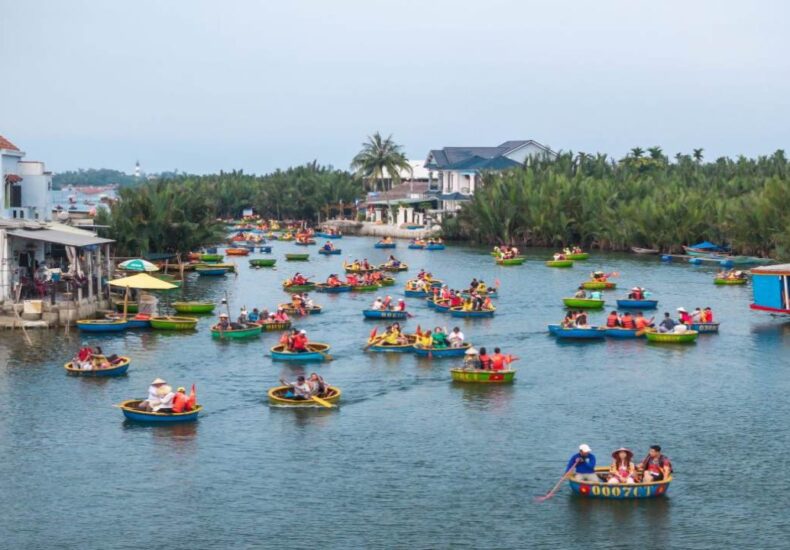
The surge in visitors is fueled by affordable flights, relaxed visa rules, and a growing middle class. Many travelers from China, India, and Southeast Asia explore the region more often. Even smaller destinations like Hoi An and Ha Long Bay in Vietnam now face massive crowds. With millions traveling at once, tourism infrastructure struggles to keep up. This trend may continue as travel becomes part of everyday lifestyle, especially for young travelers who prioritize experiences.
Nature and Local Culture Are at Risk
Tourism boosts local income, but heavy pressure harms nature and culture. Beaches suffer erosion, coral reefs weaken, and waste piles up in popular areas. Historic neighborhoods turn into commercial zones, and traditions weaken as businesses cater more to tourists than residents. Once a destination loses its cultural spirit, it risks becoming a shallow attraction. Preserving natural and cultural heritage is essential, or Asia may lose the very charm that makes it attractive.
“Read More : Mysterious Fireballs Shock India’s Night Sky“
Governments Start to Respond With New Rules
Some governments have begun taking action. In the Philippines, Boracay closed for six months to protect its beaches and infrastructure. After reopening, new visitor limits improved water quality and tourist flow. In Kyoto, time-based entry rules and tourist behavior guidelines help reduce pressure on sacred sites. Phuket is planning upgrades to roads, waste systems, and water supply. These efforts show progress, but long-term solutions still require strong policy, community involvement, and traveler awareness.
Smart, Respectful Tourism Can Shape the Future
Asia’s travel future depends on responsible tourism. Travelers, businesses, and governments must work together. Sustainable options like off-season travel, community-based tours, and eco-friendly stays can ease crowding and protect local life. Visitors should also respect cultural norms, support local businesses, and avoid damaging natural sites. When tourism supports rather than harms destinations, travelers enjoy richer experiences, and communities thrive. The goal is simple: travel more responsibly so Asia’s beauty remains for the next generation.