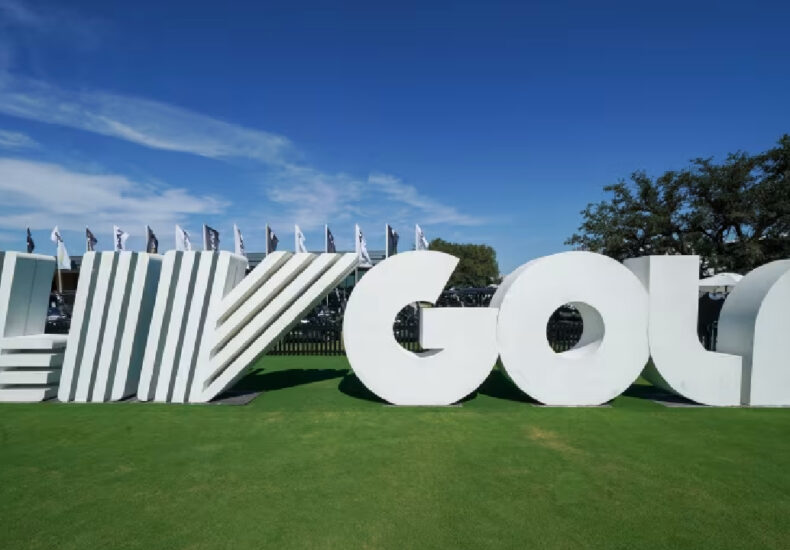
LIV Golf Changed the Game Forever, But Not in the Way It Intended
Fundacion Rapala – When LIV Golf launched in 2022, it did not arrive quietly. Instead, it stormed into the sport with ambition and disruption at its core. Backed by enormous financial resources, the tour promised to revolutionize golf. It introduced new formats, shorter events, and massive prize pools. As a result, it immediately attracted global attention. However, it also sparked controversy and division within the sport. Traditionalists resisted the change, while others embraced the opportunity. From the very beginning, LIV positioned itself as a challenger to the established order. Consequently, it set off a chain reaction that would reshape professional golf in ways no one fully anticipated.
Players Faced a Defining Choice
For many professional golfers, joining LIV was not just a career move but a defining moment. Players like Graeme McDowell described their decisions as purely business-driven. On one hand, the financial incentives were undeniable. On the other hand, the move came with criticism and uncertainty. As a result, players found themselves at the center of a growing conflict. Meanwhile, fans and sponsors questioned their loyalty to traditional tours. This tension created a complex environment where every decision carried consequences. Ultimately, the choice to join LIV highlighted the evolving nature of professional sports, where financial considerations increasingly influence career paths.
Read More : The 2026 World Snooker Championship is heating up
A Financial Engine Now Losing Momentum
Despite its ambitious beginnings, LIV Golf now faces a critical turning point. The Public Investment Fund, which funded the tour, has decided to scale back its support after the 2026 season. Consequently, the future of LIV has become uncertain. Without continuous financial backing, the tour must find new ways to sustain itself. This shift represents a significant challenge, especially given the scale of its previous spending. Moreover, it raises questions about the long-term viability of its business model. While LIV once appeared unstoppable, it now stands at a crossroads, where survival depends on adaptation and strategic reinvention.
A ‘Civil War’ That Redefined Golf
From the outset, LIV Golf created what many described as a civil war within the sport. Established tours, particularly the PGA Tour, responded with resistance and legal action. As a result, the golf world became deeply divided. Lawsuits were filed, alliances were tested, and public debates intensified. Meanwhile, media coverage amplified every development, turning golf into a headline-driven spectacle. This conflict transformed the sport’s image, making it more dramatic and unpredictable. Although the tension created challenges, it also brought renewed attention to golf. In this way, LIV succeeded in making the sport more visible, even as it fractured its traditional structure.
Read More : Betnijah Laney-Hamilton’s Dramatic Comeback:
Controversy Became Part of the Narrative
Beyond competition, LIV Golf became synonymous with controversy. Press conferences often shifted from discussions about performance to broader political and ethical questions. As a result, players and organizers faced scrutiny that extended far beyond the course. This constant attention created a unique environment where every event carried additional weight. While some viewed this as a distraction, others saw it as an opportunity to engage new audiences. Consequently, LIV became a focal point for debates about the role of sports in society. This dynamic added complexity to its identity, making it more than just a golf tour.
Entertainment Value Versus Competitive Impact
Despite the controversy, LIV undeniably changed how golf is perceived. The tour introduced a faster-paced, more entertainment-driven format. As a result, it appealed to audiences who previously found the sport less engaging. However, critics argue that these changes did not significantly enhance the competitive aspect of golf. Instead, they believe the focus shifted toward spectacle rather than performance. This debate highlights a fundamental question: should sports prioritize entertainment or tradition? LIV’s approach challenged long-standing norms, forcing the industry to reconsider its direction. In doing so, it sparked conversations that will likely influence the future of golf.
A Legacy That Will Outlast Its Uncertainty
Although LIV Golf’s future remains uncertain, its impact is undeniable. It disrupted established systems, challenged traditions, and forced the industry to adapt. Even if the tour eventually fades or evolves into something new, its influence will persist. Players, fans, and organizations have all been affected by its presence. Moreover, the changes it introduced may continue to shape the sport for years to come. In this sense, LIV achieved its goal of transformation, even if the outcome differs from its original vision. Its story serves as a reminder that innovation often brings both progress and unpredictability, leaving a lasting mark on the industries it touches.