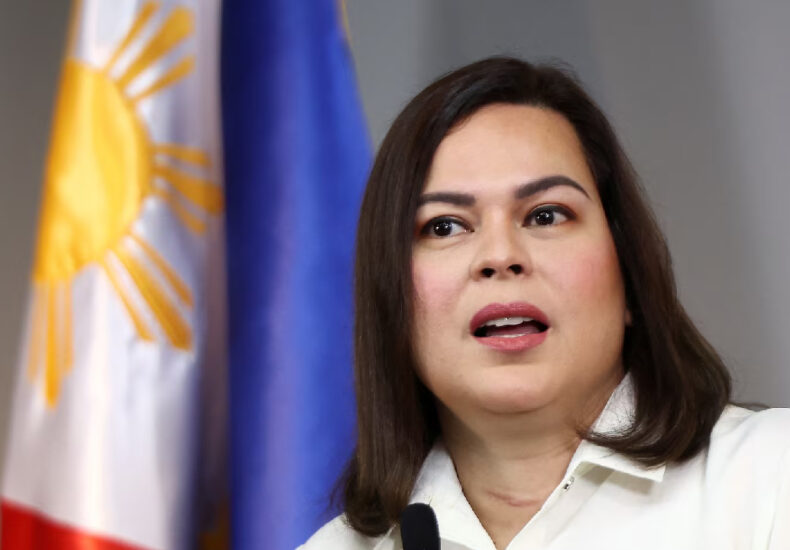
Sara Duterte Faces Impeachment as Political Tensions Intensify in the Philippines
Fundacion Rapala – The political landscape in the Philippines has entered a critical phase as Sara Duterte faces a possible impeachment. The decision by the congressional committee marks a significant moment that could reshape the country’s leadership dynamics. For many observers, this is not just a legal process but a reflection of deeper political tensions that have been building over time. As news spreads, citizens watch closely, aware that the outcome could influence the nation’s future. This moment captures the fragile balance between accountability and political rivalry, where every move carries weight and every statement shapes public perception.
Allegations That Sparked the Investigation
The impeachment process stems from a series of serious allegations that have drawn national attention. These include claims of unexplained wealth, misuse of public funds, and even threats directed at Ferdinand Marcos Jr.. Each accusation adds complexity to the case, creating a narrative that is both legal and political. Lawmakers argue that these issues demand transparency and accountability. At the same time, supporters of Duterte question the motivations behind the investigation. This tension highlights the challenges of addressing high-level accusations in a politically charged environment, where facts and interpretations often collide.
Read More : New Testimony Reveals the Hidden Struggles Behind
Congress Moves Toward a Final Decision
After reviewing the evidence, the congressional committee concluded that there are sufficient grounds to proceed with impeachment. This decision now shifts the process to a larger legislative body, where hundreds of lawmakers will cast their votes. The transition from committee review to plenary debate signals a new phase, one that will involve broader political participation. As the process unfolds, each lawmaker’s stance becomes crucial. Public opinion also plays a role, influencing how representatives approach the vote. This stage represents not only a legal procedure but also a test of the country’s democratic institutions.
Controversy Surrounding Security Threat Claims
One of the most alarming aspects of the case involves statements interpreted as threats to national security. Investigators pointed to remarks made during a past press conference, suggesting potential harm to key political figures. Authorities view these comments as serious concerns that warrant investigation. Critics argue that such statements, regardless of context, cannot be ignored. Meanwhile, Duterte’s allies maintain that the interpretation is exaggerated. This disagreement underscores the difficulty of navigating sensitive issues in a polarized environment. It also raises questions about how political rhetoric can influence legal outcomes and public trust.
Read More : Wolf Blitzer Witnesses ‘Terrifying’ Ordeal as Gunma
Absence and Legal Resistance
Duterte’s absence from several hearings has further intensified the situation. Lawmakers have criticized her decision not to appear, interpreting it as a lack of cooperation. At the same time, her legal team has challenged the process, arguing that it deviates from constitutional principles. They claim that the investigation has expanded beyond its original scope, raising concerns about fairness. This legal resistance adds another layer of complexity to the case. It highlights the ongoing struggle between institutional authority and individual rights, a dynamic that often defines high-profile political disputes.
Public Reaction and Political Implications
The case has sparked strong reactions across the Philippines. Supporters of Duterte express concern about what they see as a politically motivated attack, while critics emphasize the importance of accountability. Social media platforms have become spaces for debate, reflecting the nation’s divided perspectives. Beyond immediate reactions, the situation carries long-term implications. Duterte’s reported interest in future political ambitions adds another dimension to the case. The outcome could influence not only her career but also the broader political landscape. In this context, the impeachment process becomes more than a legal matter; it becomes a defining moment in the country’s political narrative.
A Nation Watching Its Democratic Process
As the impeachment proceedings move forward, the Philippines finds itself at a crossroads. The process tests the strength of its democratic institutions and the principles they uphold. Citizens observe closely, aware that the outcome will set a precedent for how power and accountability are handled. This moment reflects the challenges faced by many democracies, where political rivalry and legal processes intersect. The unfolding events serve as a reminder that governance is not only about leadership but also about trust, transparency, and responsibility.