Spotify Introduces AI Tool That Can Turn Users’ Lives Into Personal Podcasts
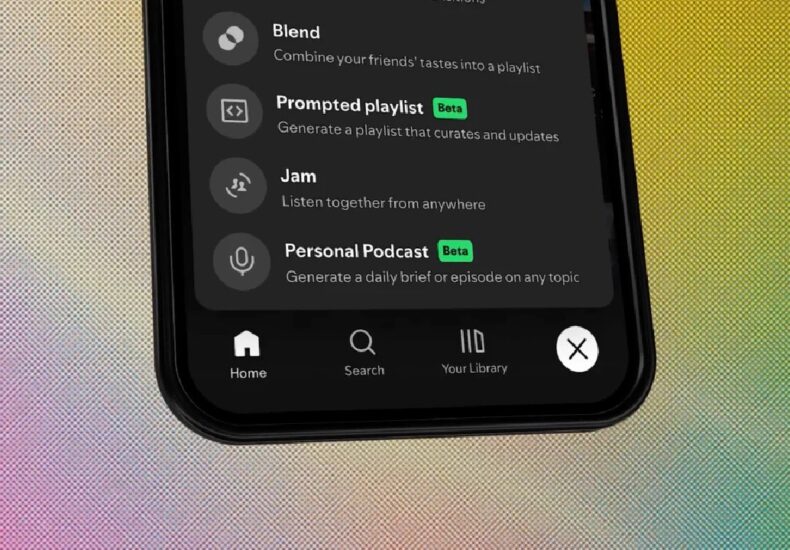
Fundacion Rapala – Spotify officially introduced a new desktop app called Studio by Spotify Labs. The announcement quickly attracted attention across the technology industry. Unlike the regular Spotify app, Studio focuses on creating personalized audio experiences powered by artificial intelligence. The platform can generate AI podcasts based on users’ daily activities, listening habits, calendars, emails, and personal notes. As AI technology becomes more connected to modern life, Spotify wants to transform personal information into conversational audio content. The launch also places Spotify in direct competition with Google NotebookLM. That platform became popular because it can turn documents into virtual podcast discussions. However, Spotify’s approach feels more personal because the system builds podcasts around users’ routines, interests, and lifestyle preferences rather than static documents alone.
Spotify Wants Audio to Feel More Human
For many years, Spotify focused mainly on music streaming and podcast distribution. However, the launch of Studio by Spotify Labs shows the company’s growing interest in artificial intelligence. According to Spotify, Studio can understand what users enjoy listening to. This includes favorite songs, podcasts, and audiobooks. The AI then combines that information with internet knowledge to create customized audio experiences. Instead of manually searching for updates or entertainment, users can receive AI-generated briefings tailored to their interests. This shift reflects a larger trend in technology. Digital platforms now try to understand users more deeply and personally. Many industry experts believe personalized AI audio could become a major part of future entertainment because audiences increasingly want faster, simpler, and more relevant digital experiences every day.
Read More : Apple Sports Officially Launches in Indonesia Ahead of the 2026 World Cup
Studio Can Connect With Calendars and Emails
One of the most interesting features inside Studio by Spotify Labs is its ability to connect with calendars, emails, and personal notes. Through these integrations, the AI can create audio briefings that summarize schedules, reminders, and daily activities. For example, users planning vacations can ask Studio to generate an audio guide that combines travel schedules, restaurant recommendations, and podcast suggestions. This feature transforms traditional productivity tools into conversational audio assistants. Instead of reading long notifications or checking several apps repeatedly, users can simply listen to updates while traveling, exercising, or relaxing at home. Spotify also emphasized that all personal data access depends entirely on user permission and approval. Even so, the idea of AI analyzing personal routines has already started discussions about privacy, convenience, and the future relationship between humans and intelligent digital systems.
AI Agents Help Organize Information Faster
Beyond podcast creation, Studio by Spotify Labs also includes built-in AI agents designed to help users organize information more efficiently. According to Spotify, these agents can browse the internet, research topics, organize data, and assist with tasks automatically. This means Studio works as more than an entertainment platform because it also functions as a productivity assistant. Users can request short learning podcasts about specific subjects or ask the AI to simplify complicated information into easy audio explanations. The conversational system also allows users to improve results naturally by asking follow-up questions. Users can even adjust the tone of the generated content. Technology experts believe this feature could attract people who prefer listening instead of reading during busy routines. As AI assistants become more common, Spotify appears determined to create a platform where entertainment, productivity, and information work together naturally.
Read More : Google Introduces Gemini Spark, an AI Assistant That Can Work Independently
Personalized Podcasts Could Change Daily Habits
The idea of listening to AI-generated podcasts based on personal activities may sound futuristic. However, Spotify believes this technology could soon become part of everyday life. Studio reportedly allows users to create short podcasts for studying, travel preparation, or organizing work schedules. The AI can even adjust the mood and presentation style based on user preferences. For many people, audio already plays an important role during commutes, workouts, and relaxation time. Spotify now wants to expand that experience into something more useful and interactive. Instead of passively consuming content, users may soon receive audio experiences designed specifically for their situations and interests. This personalized approach reflects how technology companies increasingly focus on convenience and emotional connection. The concept may also change how people think about podcasts in the future.
Spotify Expands Competition in the AI Industry
The release of Studio by Spotify Labs also shows how competitive the artificial intelligence industry has become. Major technology companies now compete to create AI systems that feel more personal and integrated into daily life. Spotify’s decision to compete directly with Google NotebookLM proves how seriously the company views AI-generated content. Instead of focusing only on music streaming, Spotify now wants to become a larger audio technology platform powered by intelligent systems. Analysts believe this shift could help Spotify strengthen user engagement by keeping listeners inside its ecosystem longer. At the same time, competition between AI platforms continues raising questions about creativity, privacy, and digital dependence. As companies push AI deeper into personal routines, audiences may soon experience technology in much more personal and emotional ways than before.
AI Podcasts May Change How People Consume Information
The launch of Studio by Spotify Labs suggests that the future of information could become increasingly audio-based. Modern users already spend hours each day listening to podcasts, music, and short audio content across multiple devices. Spotify now wants to transform that habit into a smarter and more personalized experience powered by AI. Instead of reading articles or scrolling endlessly through apps, users may soon rely on customized podcasts to stay updated about work, hobbies, travel plans, and daily activities. The convenience of receiving spoken updates while multitasking could make AI-generated audio highly attractive to busy audiences worldwide. However, the technology also raises important questions regarding privacy and dependence on automated systems. Even so, Spotify’s newest innovation clearly shows that artificial intelligence is rapidly changing how people experience digital content every day.