Inside the Mystical Ssese Islands, Africa’s Hidden Paradise on Lake Victoria
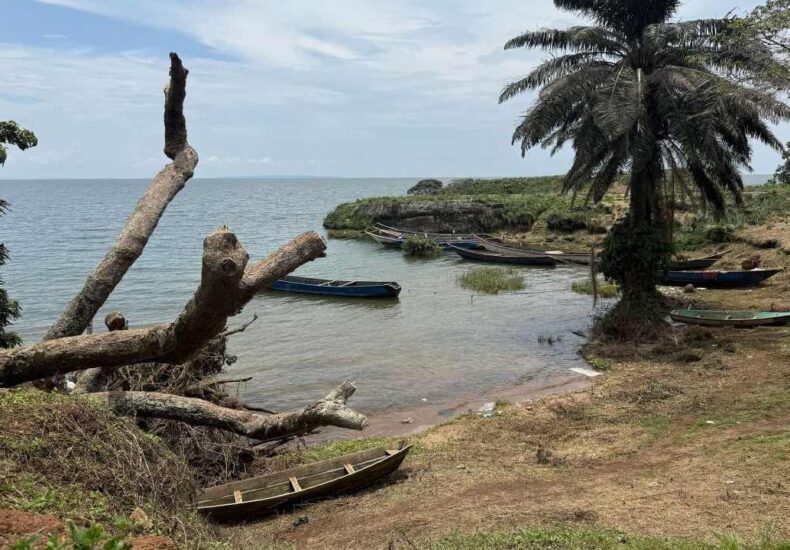
Fundacion Rapala – Far from Uganda’s busy cities, the Ssese Islands rise quietly from the vast waters of Lake Victoria. This remote archipelago contains 84 islands spread across nearly 9,000 square kilometers. Although surrounded by freshwater, the landscape feels surprisingly tropical. Palm trees, soft beaches, dense forest, and deep blue horizons create the atmosphere of an ocean retreat. However, these islands remain largely unknown to international travelers. That isolation has protected their beauty and preserved traditions that might disappear elsewhere. A Mystical Ssese Islands Adventure offers more than a relaxing escape. It leads visitors into a place where nature, history, and spirituality still shape everyday life. Unlike crowded destinations, the Ssese Islands move at a slower rhythm. Consequently, every boat ride, village encounter, and forest path feels personal, unpredictable, and deeply memorable.
Bukasa Island Guards a Sacred Natural Wonder
Among the Ssese Islands, Bukasa holds one of the region’s most mysterious attractions. Nanziri Waterfall emerges from a rock, tumbles over a cliff, and eventually joins Lake Victoria before flowing toward the Nile. For many visitors, the waterfall is simply beautiful. Yet for local communities, it carries powerful spiritual meaning. Traditional guardians protect the site and treat the surrounding area with deep respect. As a result, access is not always straightforward. Some residents worry that increased tourism could disturb the sacred atmosphere or weaken local traditions. Therefore, reaching the waterfall requires patience, trust, and guidance. The journey is not designed for convenience. Instead, it feels like entering a living cultural landscape. That sense of secrecy makes Bukasa especially compelling for travelers who value meaning over comfort.
Read More : Daisy Edgar-Jones Turns Heads in Chic
Spiritual Traditions Give the Islands Their Identity
The Ssese Islands are closely connected to Bugandan history and spiritual belief. According to tradition, Kintu, the legendary founder of the Buganda Kingdom, came from this island region. That story continues to influence how many Ugandans understand the islands today. Spirit mediums, elders, and cultural guides help preserve rituals linked to ancestors and sacred places. For example, some spiritual practitioners claim to communicate with Kintu’s spirit and act as a bridge between the past and present. Whether visitors view these traditions as faith, history, or cultural heritage, they remain central to the islands’ identity. Moreover, local belief adds emotional depth to natural sites such as forests, rocks, and waterfalls. Consequently, travel here becomes more than sightseeing. It becomes an encounter with a worldview that treats the landscape as both physical and spiritual.
Reaching Bukasa Requires Patience and Adventure
Traveling to Bukasa is part of the experience. Ferries leave the mainland around midday, cross the immense lake, and usually remain overnight before returning the next morning. Lake Victoria is so large that the journey can feel like open-sea travel. Weather conditions may change quickly from bright sunshine to fog, wind, or rough water. Therefore, travelers must prepare for delays and uncertainty. Bukasa also offers very limited tourist infrastructure. There may be no reliable electricity, running water, or formal accommodation. Yet this lack of convenience creates a rare sense of discovery. Visitors must rely on local knowledge, basic supplies, and flexible plans. In return, they gain access to a destination that still feels untouched. The challenge becomes part of the story rather than an obstacle to avoid.
Read More : Meet Julia Shiplett, the Comedian Now Dati
Other Ssese Islands Offer Easier Travel Experiences
Not every island in the archipelago is as remote as Bukasa. Bugala Island is the most accessible and contains Kalangala, the region’s main town. There, visitors can find guesthouses, restaurants, transport services, and more organized tourism facilities. Meanwhile, Banda and Bulago provide private retreats for travelers seeking comfort and privacy. Ngamba Island attracts day visitors to its well-known chimpanzee sanctuary connected to the Jane Goodall Foundation. These destinations offer different ways to experience Lake Victoria. However, Bukasa stands apart because it lacks polished tourism. Its appeal comes from uncertainty, cultural depth, and raw natural beauty. Therefore, travelers must decide what kind of journey they want. Some may prefer convenience and relaxation, while others will choose the difficult path toward a sacred waterfall few outsiders ever see.
Tourism Brings Opportunity but Also Difficult Choices
The Ssese Islands face a delicate question about their future. Tourism could create income, improve transport, and support local businesses. On the other hand, rapid development could damage fragile ecosystems and sacred traditions. Bukasa currently has few visitors, so overtourism seems distant. Nevertheless, local guardians already understand how quickly attention can transform a place. Once roads, resorts, and large tour groups arrive, the island may never feel the same again. Therefore, responsible travel will become essential if interest continues to grow. Visitors should respect local rules, seek permission before entering sacred areas, and avoid treating spiritual traditions as entertainment. In addition, tourism planning should involve island communities from the beginning. Their voices must guide development, because they understand the cultural and environmental value of the land better than outside investors.
The Ssese Islands Reward Travelers Who Slow Down
The greatest appeal of the Ssese Islands may be their ability to change a traveler’s pace. Nothing happens quickly here. Boats move according to weather, guides depend on local relationships, and sacred places cannot be rushed. As a result, visitors must listen, observe, and adapt. That slower rhythm creates space for deeper connection. A quiet shoreline, a sudden tropical storm, or a conversation with an island elder can become more meaningful than a planned attraction. Furthermore, the absence of modern facilities makes travelers more aware of the landscape around them. The islands do not offer luxury in the usual sense. Instead, they offer rarity, silence, mystery, and cultural authenticity. For people searching for a destination beyond crowded beaches and predictable itineraries, the Ssese Islands provide something far more valuable: a journey that still feels genuinely unknown.