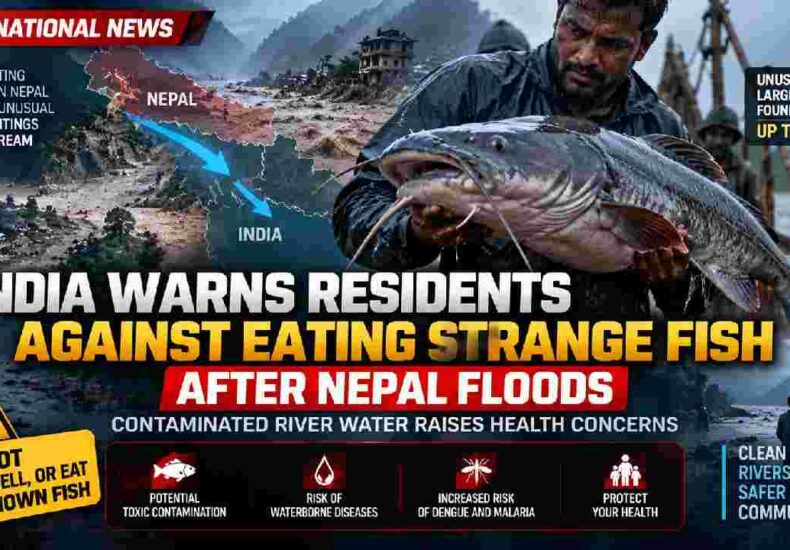
India Warns Residents Against Eating Strange Fish After Nepal Floods
Fundacion Rapala – Strange fish after Nepal floods have created a new concern for communities living along rivers in Bihar, India. Authorities have warned residents against buying, selling, or eating unfamiliar fish appearing in local waterways. The unusual catches emerged after destructive floodwaters from Nepal moved downstream through the Trishuli, Gandak, and Kosi river systems. Along the way, the powerful currents carried mud, waste, animal remains, and other debris. Some residents reportedly became sick after eating fish caught following the disaster. Officials stressed that the main danger may not come from the species themselves. Instead, fish could have absorbed harmful substances while being swept far from their normal habitats. The warning highlights an often-overlooked consequence of major floods. Once contaminated water crosses borders and enters connected rivers, a natural disaster can quickly become a public health problem for communities living many kilometers downstream.
Giant Fish Begin Appearing in Local Fishermen’s Nets
For fishermen accustomed to familiar catches, recent days have brought startling encounters. Reports from West Champaran, East Champaran, Gopalganj, Bagaha, and Saran described unusually large fish entering nets after the flooding. Some reportedly weighed between 27 and 45 kilograms. Others had unfamiliar body shapes that surprised local residents. Fisherman Chhatu Sahani said such fish were rarely seen in normal catches around the area. More troublingly, many reportedly died soon after being removed from the water. The sudden appearance of these animals illustrates how violent flooding can disrupt river ecosystems. Strong currents can push aquatic species out of reservoirs, tributaries, or habitats where they normally remain. They may then travel considerable distances before reaching downstream communities. For local fishermen, however, an unusually large catch can naturally appear valuable. That is why officials are urging caution. During a contamination event, size and rarity do not necessarily mean a fish is safe for the dinner table.
Read More : Spain’s Deadliest Summer Heat
Experts Point to the Himalayan Goonch Catfish
Wildlife experts have offered a possible explanation for at least some of the mysterious catches. Sameer Kumar Sinha of the Wildlife Trust of India said many fish entering the Gandak River could be Bagarius bagarius, commonly known as the goonch catfish. This large species naturally inhabits fast-flowing rivers connected to the Himalayan region. Therefore, extreme flooding could potentially displace individuals and carry them into areas where fishermen rarely encounter them. The species itself, however, is not necessarily the central reason behind Bihar’s health warning. Officials are more concerned about what the animals may have encountered during their journey. Floodwater can mix with sewage, decomposing animals, household waste, and damaged infrastructure. Fish exposed to such conditions may become unsafe to eat. In addition, dead fish can deteriorate quickly, especially when handling and storage conditions are poor. Authorities therefore advise residents to avoid unidentified catches until relevant agencies can determine their origin and safety.
Floodwater Carried More Than Fish Across the Region
The flood did not simply move enormous volumes of water. Reports indicate that currents also transported mud, timber, household waste, damaged infrastructure, and other debris downstream from Nepal. Such material can transform a river into a moving mixture of environmental hazards. When floodwater passes through settlements, farms, industrial areas, or damaged facilities, it can collect substances that would normally remain separated from waterways. Those contaminants may later settle in rivers used by communities for fishing or daily needs. This creates a difficult situation because water can look calmer even while hidden risks remain. Fish also move through the same environment and may come into contact with polluted material. As a result, Bihar authorities have taken a precautionary approach rather than treating unusual catches as an unexpected benefit of the flood. For families living near the river, the warning carries practical consequences. A food source that normally supports daily life may temporarily require much greater scrutiny.
Read More :Pentagon Orders Mass Polygraph
Contaminated Drinking Water Could Become a Wider Threat
Health concerns extend beyond the fish themselves. Floodwater that mixes with drinking-water systems can increase the risk of waterborne illness, especially where sanitation infrastructure has been damaged. Diseases linked to unsafe water can include severe diarrhea, cholera, typhoid, and hepatitis A or E. Therefore, communities downstream must pay attention not only to what they eat but also to the water they use. The situation may be especially challenging in parts of Bihar where groundwater quality already presents environmental concerns. Flooding can add another layer of uncertainty by spreading contaminants across wider areas. Public health monitoring becomes crucial after the water begins to recede because some dangers may persist longer than the visible disaster. Residents may return to normal routines while wells, pumps, or local water sources remain affected. Clear guidance from health authorities can help families make safer decisions during this period. Clean water, proper food handling, and reliable information become essential parts of recovery.
Stagnant Water Creates Another Health Risk After Flooding
Once fast-moving floodwater slows, another problem can emerge. Pools of stagnant water may remain around homes, farmland, roads, and damaged infrastructure. These areas can provide breeding grounds for mosquitoes, increasing concern about diseases such as dengue and malaria. At the same time, widespread damage to agricultural land can place additional pressure on household food supplies and local incomes. For farming and fishing communities, the effects therefore arrive from several directions at once. People may lose crops while also facing uncertainty about whether river catches are safe to consume or sell. These overlapping pressures show why flood recovery involves more than rebuilding damaged structures. Authorities must also monitor disease, food safety, water quality, and environmental conditions. Communities need timely information so they can recognize new risks as they emerge. What begins as a flood in one location can create a chain of health and economic challenges across connected river systems long after the strongest currents disappear.
A Cross-Border Disaster Leaves Lessons Far Downstream
The strange fish appearing in Bihar reveal how closely connected Himalayan rivers are to the lives of people downstream. A disaster beginning in Nepal can send water, debris, displaced wildlife, and possible contaminants across a much wider region. For fishermen, an unfamiliar giant fish may initially look like an extraordinary catch. Yet after a severe flood, caution matters more than curiosity. Bihar’s warning encourages residents to avoid unidentified fish until authorities can confirm they are safe. It also reflects a broader lesson about disaster response. Governments must consider environmental and health effects that travel beyond the original disaster zone. River systems do not follow administrative boundaries, and pollution can move with the current. Therefore, monitoring water quality and aquatic life can become as important as clearing debris or repairing infrastructure. For communities now watching Bihar’s rivers, the unusual catches serve as visible reminders that floodwaters can leave hidden dangers behind.