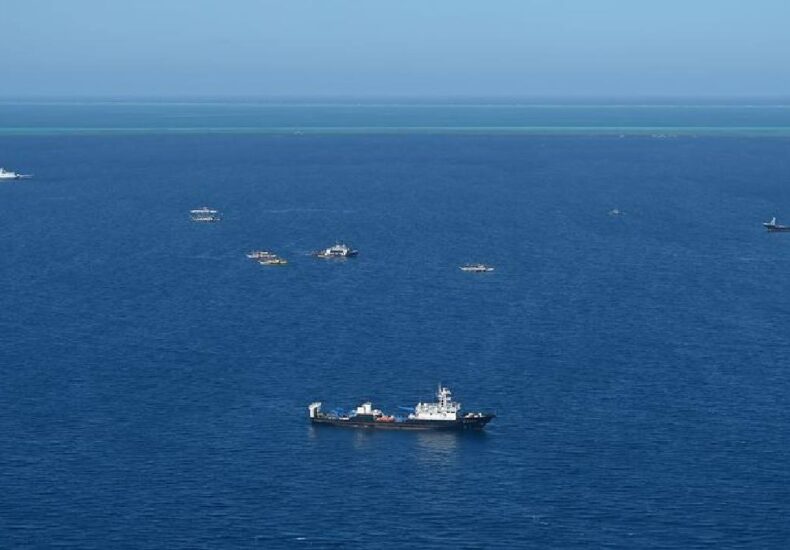
China Condemns Japan and Philippines Maritime Talks as Regional Tensions Continue to Rise
Fundacion Rapala – A new diplomatic dispute has emerged in Asia after China strongly criticized Japan and the Philippines for launching formal negotiations on maritime boundaries. Beijing described the discussions as illegal and invalid, arguing that the waters involved fall within areas where China claims exclusive rights. The controversy comes at a time when territorial disputes across the East China Sea and South China Sea remain among the region’s most sensitive geopolitical issues. While Tokyo and Manila view the talks as a legitimate effort to clarify maritime boundaries, China sees them as a direct challenge to its interests. The disagreement highlights how maritime claims continue to shape diplomatic relations across Asia. More importantly, it reflects the growing importance of strategic waterways that influence security, trade, and regional stability for millions of people.
Beijing Voices Strong Opposition to the Negotiations
Chinese officials reacted quickly after Japan and the Philippines announced plans to begin formal discussions on maritime boundaries. During a regular press briefing, Foreign Ministry spokesperson Mao Ning expressed strong dissatisfaction with the initiative. According to Beijing, the negotiations lack legal validity because China believes it holds exclusive rights over the waters concerned. Chinese authorities also stated that formal protests had been delivered to both governments. The response illustrates how seriously Beijing views territorial and maritime issues. For China, sovereignty claims are closely tied to national security and historical narratives. Therefore, even diplomatic discussions between neighboring countries can trigger strong reactions. The latest dispute demonstrates how maritime boundaries remain one of the most complex and emotionally charged issues in international relations across the Asia-Pacific region.
Read More : Deadly Coal Mine Explosion in China Raises Fresh Questions
Why Maritime Boundaries Matter in Modern Geopolitics
Maritime boundaries may appear technical on the surface, but they carry enormous economic and strategic significance. These boundaries determine access to fishing grounds, shipping routes, energy resources, and potential offshore reserves. For many nations, control over maritime zones directly affects economic growth and national security. As global trade continues to rely heavily on sea routes, coastal countries have become increasingly focused on protecting their maritime interests. In Asia, these concerns are particularly important because some of the world’s busiest shipping lanes pass through contested waters. As a result, even seemingly routine negotiations can attract international attention. The discussions between Japan and the Philippines highlight how maritime agreements are not only legal matters but also powerful tools for shaping future regional relationships and economic opportunities.
Japan and the Philippines Move Closer Together
The decision to launch formal maritime talks reflects the increasingly close relationship between Japan and the Philippines. Over recent years, both countries have expanded cooperation in areas such as defense, security, infrastructure, and regional diplomacy. Shared concerns regarding China’s maritime activities have contributed to this growing partnership. During the recent meeting between Philippine President Ferdinand Marcos Jr. and Japanese Prime Minister Sanae Takaichi in Tokyo, both leaders emphasized the importance of strengthening cooperation. Their willingness to discuss maritime boundaries demonstrates a broader commitment to regional coordination. For observers, the development signals a changing geopolitical landscape in Asia. Countries facing similar security concerns are seeking stronger partnerships to protect their interests and maintain stability in increasingly contested waters.
Read More :A Ghost Town That Hides Invisible Poison: Thousands
Longstanding Disputes Continue to Shape Regional Dynamics
The latest disagreement cannot be viewed in isolation. It is part of a much larger history of territorial disputes involving China and several neighboring countries. China and Japan have faced tensions for years over disputed areas in the East China Sea. Coast guard vessels from both nations frequently encounter one another in contested waters, sometimes creating dangerous situations. Meanwhile, China and the Philippines have experienced repeated confrontations in the South China Sea. These incidents often involve coast guard ships, fishing vessels, and military assets operating near disputed reefs and islands. Because these disputes remain unresolved, every diplomatic move is closely watched. Even small developments can influence perceptions and potentially affect broader regional relationships. This reality helps explain the strong reactions surrounding the new negotiations.
Strategic Waters Remain at the Center of Global Attention
The East China Sea and South China Sea are among the most strategically important waterways in the world. Trillions of dollars worth of goods pass through these regions every year. In addition, experts believe significant energy resources may exist beneath the seabed. These factors increase the stakes for all parties involved. Governments view control over maritime zones as both an economic opportunity and a security necessity. Consequently, competition over these waters has intensified in recent years. International observers continue to monitor developments carefully because any escalation could affect regional stability and global trade. The current dispute between China, Japan, and the Philippines serves as another reminder of how interconnected modern geopolitics has become. Decisions made in one area can quickly influence broader international dynamics.
Diplomacy Faces a Critical Test in the Asia-Pacific Region
As tensions persist, diplomacy remains the most important tool for preventing further escalation. While disagreements over maritime boundaries are unlikely to disappear soon, dialogue offers a path toward managing competing claims peacefully. Many regional experts argue that communication channels must remain open, even during periods of heightened tension. Diplomatic engagement can help reduce misunderstandings and lower the risk of unintended confrontations at sea. At the same time, governments face domestic pressure to defend national interests and maintain firm positions. Balancing these priorities is never easy. The maritime talks between Japan and the Philippines, along with China’s strong objections, illustrate the challenges facing policymakers today. The coming months may reveal whether diplomacy can ease tensions or whether regional competition will continue to intensify across some of Asia’s most contested waters.