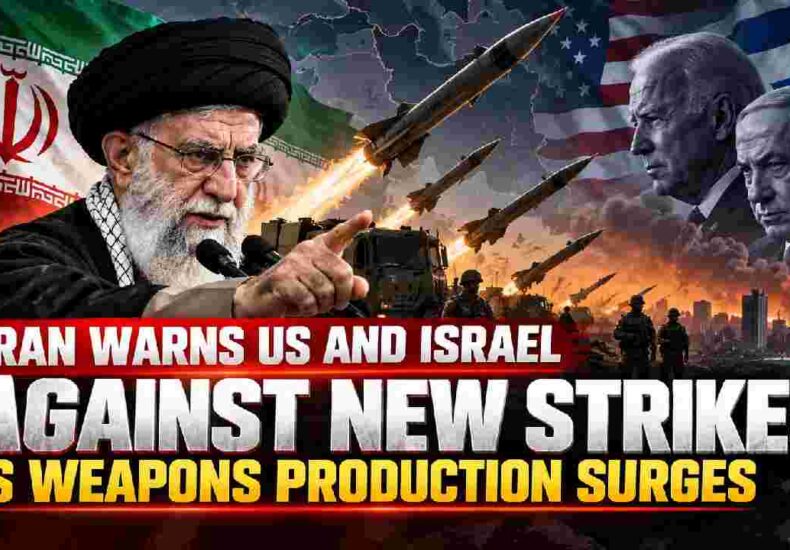
Iran Warns US and Israel Against New Strikes as Weapons Production Surges
Fundacion Rapala – Iran has warned the United States and Israel against launching another attack on its territory. The message comes as tensions remain high across the Middle East. Iranian Defense Ministry spokesperson Reza Talaei-Nik delivered the warning on October 6, 2026. He said Iran would respond firmly if another attack took place. Tehran has also prepared several possible targets for retaliation, according to his statement. Moreover, Iranian officials say the country has strengthened its military forces since the previous conflict. The government has expanded weapons production and improved several defense systems. These moves show that Iran wants to discourage another military confrontation. At the same time, the warning highlights the fragile situation across the region. Another round of attacks could quickly trigger a wider conflict. Therefore, Iran appears eager to show that it has both the ability and the willingness to respond.
Iran Claims Weapons Production Has Risen 2.5 Times
Iran also claims that its defense industry has grown rapidly since the war began. According to Talaei-Nik, weapons and ammunition production has increased about 2.5 times. He compared current output with levels before the conflict began on February 28, 2026. In addition, Iran says production of some weapons has more than tripled. The Defense Ministry and its partners can now produce over 1,000 types of military equipment, according to Talaei-Nik. These include weapons, ammunition, defense systems, and other military technology. However, the figures come from Iranian officials and should be treated as government claims. Even so, the announcement sends a clear message to Iran’s rivals. Tehran wants to show that it can replace military equipment during a long conflict. As a result, weapons production has become an important part of Iran’s broader strategy to discourage future attacks.
Read More : Flydubai Flight Plunges After Cockpit Attack, Lands Safely in Saudi Arabia
Missiles and Drones Remain Key to Iran’s Strategy
Missiles and drones continue to play a major role in Iran’s military strategy. Talaei-Nik said Iran has developed more advanced versions of both technologies. Tehran has also worked to improve its air defense network. Meanwhile, the country continues to strengthen its naval, ground, and air forces. These efforts suggest that Iran wants a military structure that can respond in several ways. Missiles can reach distant targets, while drones offer greater flexibility for different operations. Iran used both systems during previous exchanges with Israel and US military targets in the region. Therefore, officials may see them as useful tools for deterrence. Still, growing military power brings serious risks. A misunderstanding or sudden attack could lead to another cycle of retaliation. For civilians across the Middle East, stronger weapons may create a sense of security for governments. However, they also increase concerns about another regional conflict.
Tehran Says It Has Prepared Targets for Retaliation
Iran says its military has already identified targets for a possible response to another attack. Talaei-Nik made the statement while discussing the risk of renewed aggression against the country. He warned that Iran would deliver a firm response if its territory came under attack again. Furthermore, he said Iran’s opponents could suffer greater losses in a new confrontation. The message appears designed to discourage Washington and Israel from taking further military action. By discussing possible targets, Tehran is trying to show that its forces remain ready. However, such warnings can also increase pressure during an already tense period. Each side may view military preparation by the other as a possible threat. As a result, even defensive moves can raise the risk of miscalculation. Iran’s warning shows how difficult the situation remains. Military readiness may discourage attacks, but strong rhetoric can also deepen regional tension.
Read More : Extreme Roller Coaster in the US Raises Concerns After Passengers Suffer Brain Injuries
Russia and China Remain Important Partners for Tehran
Iran says its defense cooperation with Russia and China continues despite the latest tensions. Talaei-Nik said relations with Moscow and Beijing have not stopped or weakened. Instead, Iran continues to work with both countries under existing agreements. Political and defense discussions also remain active, according to Tehran. Moreover, Iranian officials say consultations have increased in several areas. Talaei-Nik did not explain the exact nature of that cooperation. Therefore, the scale of any new military support remains unclear. Still, Russia and China provide Iran with important diplomatic and strategic relationships. Those ties could become more significant if regional tensions continue to rise. However, cooperation does not mean that Moscow or Beijing would join a future conflict. Each country has its own interests and foreign policy goals. For that reason, the real impact of these partnerships will depend on future decisions and practical cooperation.
Previous Fighting Still Shapes Iran’s Military Plans
The latest warning follows the conflict that began on February 28, 2026. During the fighting, US and Israeli forces struck Iranian military and nuclear facilities. Reports also said that senior Iranian military figures became targets. Iran responded by launching missiles and drones toward Israel and US military positions in the region. Those exchanges increased fears of a wider Middle East war. Months later, the effects of the fighting continue to shape Iran’s military planning. Tehran’s reported increase in weapons production suggests that officials expect security risks to remain high. At the same time, the previous conflict showed how quickly military action can spread beyond national borders. Another confrontation could affect energy supplies, transportation, trade, and regional stability. Therefore, the issue reaches far beyond military strategy. Millions of civilians could feel the economic and security effects if another major conflict begins.
Iran Uses Military Growth as a Message of Deterrence
Iran’s latest statements appear to carry one central message: another attack could come at a higher cost. Tehran points to stronger weapons production, improved missiles, and advanced drones as evidence of its growing military strength. It also highlights stronger defense systems and continued ties with Russia and China. Together, these claims support Iran’s effort to discourage another attack. However, military strength alone cannot create lasting stability. Deterrence depends on clear communication and careful decisions from every side. A single mistake could still trigger a dangerous chain of events. For this reason, diplomacy remains important even as governments prepare their armed forces. The biggest question is not how many weapons Iran can produce. Instead, the key issue is whether regional leaders can prevent another round of fighting. For people across the Middle East, avoiding another conflict remains far more important than winning a battle of military warnings.