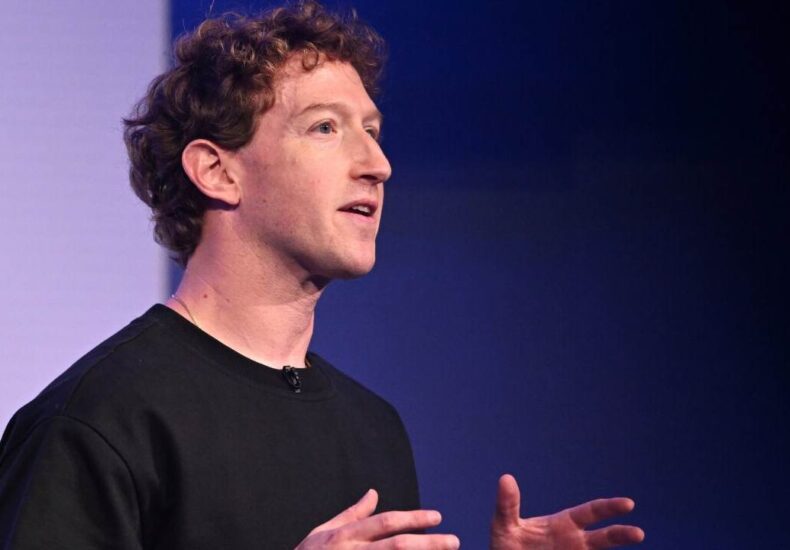
Mark Zuckerberg Takes the Stand in a Landmark Trial Over Social Media Addiction and Youth Harm
Fundacion Rapala – Mark Zuckerberg arrived at the Los Angeles Superior Court on the morning of February 18, 2026, and the scene felt bigger than any single executive. He walked through the front entrance around 8:30 a.m., passing parents, reporters, and jurors waiting in line. He did not answer when asked what message he had for families who believe social media harmed their children. Still, his presence alone carried weight. For the first time, the Meta CEO testified before a jury in a case accusing major platforms of deliberately building addictive features for young users. In many ways, it was not just a legal moment. It was emotional theater. The trial placed years of frustration, grief, and unanswered questions into one courtroom. And because this is the first case among more than 1,500 similar lawsuits to reach trial, every word on the stand matters.
Parents Gather Outside Like a Vigil, Not a Protest
Outside the courthouse, nearly a dozen parents joined hands before Zuckerberg arrived. That detail matters because it captured the tone of the day: it was not about spectacle, but about sorrow and endurance. Many of these families traveled across the country, and some say they lost children to harms connected to social media use. They did not come for a headline. Instead, they came for a moment of recognition. For years, parents have described feeling ignored while platforms grew bigger, faster, and more influential. Now, they watched the CEO of one of the world’s most powerful companies enter the building where those stories would finally be examined under oath. The atmosphere resembled a quiet vigil, with grief sitting beside determination. Meanwhile, cameras captured every second, but the emotional center remained with families who believe this hearing could finally force real accountability from Meta and other tech giants.
“Read More : Why OpenAI Says It Isn’t Spending on Super PACs as AI Politics Heats Up“
The Case Centers on “Kaley” and a Childhood Shaped by Screens
At the heart of this trial is a now-20-year-old woman identified in court as “Kaley.” According to her legal team, she began using YouTube at age six and Instagram at nine. Over time, her use reportedly escalated into hours each day. In one extreme example, her lawyer said she spent more than 16 hours on Instagram in a single day, despite her mother’s efforts to limit it. Kaley alleges that addictive features contributed to anxiety, body dysmorphia, and suicidal thoughts. She also claims she faced bullying and sextortion on Instagram. Importantly, this case does not argue that one app alone “caused” everything. Instead, it asks whether Instagram became a substantial factor in her decline. That distinction may sound technical, but it could shape the future of how courts treat social media harm claims.
Meta Says Safety Features Exist, but the Jury Must Decide If They Were Enough
Meta strongly denies the allegations. The company says it has long invested in safety tools, including parental oversight options and “teen accounts” that apply default privacy settings and content restrictions for users under 18. On paper, those measures sound reassuring. However, the trial will likely examine whether these protections arrived too late, worked inconsistently, or failed to match the speed of product design meant to keep people engaged. This is where Zuckerberg’s testimony becomes crucial. He will likely explain Meta’s efforts in a way that feels responsible and sincere, especially because he is also a parent. Yet, the jury may focus less on intent and more on impact. Did Meta know about risks and still expand engagement-driven features anyway? That is the question hovering over every mention of “safety.” And because the public has watched similar debates for years, the courtroom now becomes the place where claims meet documents.
“Read More : Top 10 Richest People in the World Right Now, 7 of Them are Tech Moguls“
Internal Documents and the Profit Question Hang Over the Testimony
One of the most difficult issues in this trial involves what Meta allegedly knew internally. Kaley’s legal team says documents show Meta understood the dangers its platforms posed to young people. Yet, they argue the company continued pushing features designed to keep kids online longer. This is where the case becomes emotionally charged, because parents often interpret that choice as profit outweighing protection. Meta, on the other hand, argues that Kaley faced serious challenges before she ever used social media, including difficult family circumstances. That defense may resonate with some jurors because mental health is complex. Still, it can also feel painful to families who believe platforms amplified vulnerabilities instead of reducing harm. The profit question is not just about money. It is about priorities. And when a CEO sits on the stand, jurors often look beyond facts to judge credibility, empathy, and responsibility.
Zuckerberg’s Performance Could Shape More Than This One Case
Legal experts say Zuckerberg’s testimony could influence how jurors interpret the entire case. That is because trials do not only turn on evidence. They also turn on how witnesses communicate truth, humility, and consistency. Zuckerberg will likely emphasize Meta’s mission and highlight the tools the company built to protect young people. However, the plaintiffs will likely push him on whether those tools were designed to truly reduce harm or simply reduce criticism. That difference matters. Additionally, his testimony could ripple far beyond Los Angeles. Because this is the first of over 1,500 lawsuits to go to trial, the outcome may influence settlements, future legal strategies, and even public policy. In other words, Zuckerberg is not only defending Meta. He is defending a model of social media itself. And for parents watching, that reality makes the moment feel heavy, personal, and long overdue.