Campers Sleeping on Unmarked Graves: The Dark History Beneath Rottnest Island’s Paradise
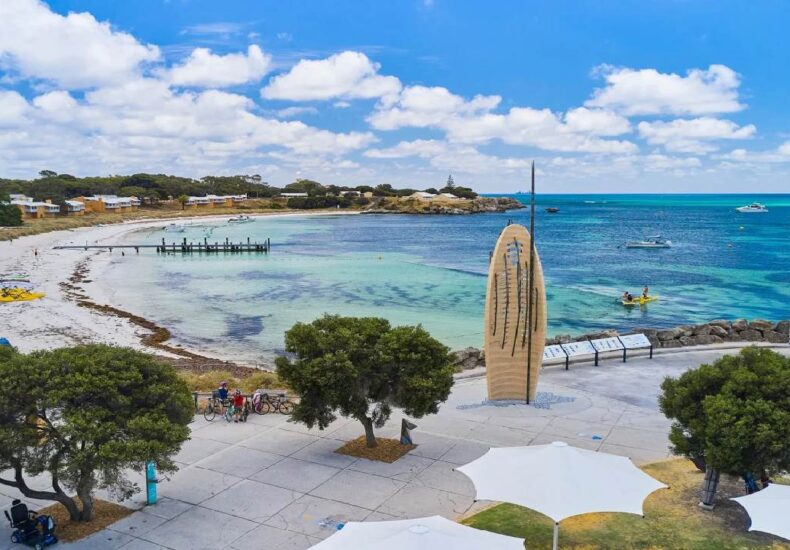
Fundacion Rapala – Campers sleeping on unmarked graves may sound like fiction, yet on Rottnest Island known to the Noongar people as Wadjemup it is part of a painful reality. Just 19 kilometers off the coast of Western Australia, this island welcomes more than 800,000 visitors each year with turquoise waters, white sand beaches, and smiling quokkas. From Perth’s shoreline, the island sometimes appears luminous and inviting, almost playful in the sunlight. However, beneath that beauty lies a story few tourists fully understand. For the Noongar people, Wadjemup has always been sacred, a spiritual place where souls travel after death. Over time, colonial violence deepened that meaning. Today, the contrast between paradise and tragedy creates a haunting tension that lingers in the sea breeze.
Wadjemup: From Sacred Land to Aboriginal Prison
Campers sleeping on unmarked graves connect directly to Wadjemup’s 93-year history as an Aboriginal prison. Beginning in 1838, the island became a site of incarceration for Indigenous boys and men, many accused of minor offenses such as livestock theft. Yet the justice system imposed upon them operated in a foreign language and cultural framework they did not understand. Prisoners arrived by boat, some traveling thousands of kilometers from remote regions like the Kimberley. Many had never seen the ocean before. Chained at the neck and limbs, they were forced into brutal labor, mining limestone and constructing the very buildings that still stand today. The prison conditions were overcrowded and disease-ridden. By the time it closed in 1902, nearly 4,000 Indigenous men and boys had been imprisoned there, and 373 had died.
“Read More : Grammy Awards 2026: Artists Protest ICE’s“
The Unmarked Graves Beneath Tentland
Campers sleeping on unmarked graves became a reality when the island transformed into a tourist retreat. After the prison closed, the burial ground where many Indigenous inmates were laid to rest without markers became known as “Tentland.” For nearly 90 years, visitors pitched tents just feet above one of Australia’s largest Indigenous burial sites. Families laughed, shared meals, and slept peacefully, unaware of the sacred ground beneath them. Although skeletal remains were discovered as early as 1970, the campground remained open until 2007. The emotional weight of this revelation continues to ripple through Aboriginal communities. What once was a place of confinement and suffering became a holiday destination, blurring the lines between remembrance and recreation in ways that still demand reflection.
Tourism and the Erasure of Memory
Campers sleeping on unmarked graves symbolize a broader pattern of historical erasure. In 1911, the former prison cell block was converted into holiday accommodation. Plumbing and electricity replaced iron bars, and vacationers occupied rooms where prisoners once endured unimaginable hardship. Over time, infrastructure modernization obscured the island’s painful past. Meanwhile, beachgoers snorkeled in coral reefs and cycled under bright skies, rarely encountering the island’s darker narrative. This transformation mirrored wider colonial attitudes that prioritized leisure over acknowledgment. Yet for Noongar elders, Wadjemup remains deeply spiritual. The land carries memory, even when buildings change. The tension between commercial tourism and cultural truth continues to shape discussions about accountability, education, and reconciliation on the island.
“Read More : Selena Gomez and Benny Blanco Steal Golden Globe“
Healing Through Truth-Telling and Ceremony
Campers sleeping on unmarked graves prompted renewed calls for truth-telling and healing. In 2020, the Rottnest Island Authority launched the Wadjemup Project to formally acknowledge the island’s history of Aboriginal incarceration and deaths in custody. This initiative focuses on memorialization, conservation of historic structures, and respectful recognition of burial sites. In 2024, the Wadjemup Wirin Bidi, or Spirit Trail, brought together Aboriginal communities from across Australia for private ceremonies honoring those who died. These gatherings sought to restore dignity and free restless spirits, according to cultural beliefs. By centering Indigenous voices, the project aims to transform silence into dialogue. Although healing is complex and ongoing, open acknowledgment marks a critical step toward restoring balance between remembrance and modern tourism.
A Lighthouse of Memory for Future Generations
Campers sleeping on unmarked graves now serve as a powerful reminder of why historical awareness matters. Today, visitors can explore the Wadjemup Museum and join cultural tours led by Noongar guides who share stories of resilience alongside tragedy. Local leaders encourage a simple ritual upon arrival: greet the land, acknowledge the ancestors, and recognize the history beneath your feet. This gesture, though small, symbolizes respect and connection. Wadjemup stands not only as a scenic getaway but as a sentinel like a lighthouse casting light on the past. By listening, learning, and honoring those buried there, tourists become part of a more conscious narrative. In doing so, the island’s beauty and its history coexist with honesty rather than denial.