Bixby Becomes Smarter: A New Era of Intelligent Living Inside Samsung Homes
Fundacion Rapala – Bixby becomes smarter as Samsung officially enhances its digital assistant with advanced artificial intelligence, marking a significant shift in how users interact with home devices. This upgrade is not just a minor improvement but a transformation driven by the integration of large language models (LLM), allowing Bixby to understand commands more naturally. As a result, users can now speak in everyday language without worrying about rigid phrasing. This development reflects Samsung’s broader vision of creating a seamless and intuitive smart home experience. Moreover, the addition of AI capabilities makes interactions feel more human and less mechanical. Consequently, Bixby evolves from a simple assistant into a responsive companion that adapts to user habits, bridging the gap between technology and daily life in a meaningful way.
Natural Conversations Replace Rigid Commands
One of the most noticeable changes is how Bixby now understands complex and conversational commands with remarkable accuracy. Previously, users had to rely on specific keywords, which often limited the assistant’s usability. However, with this latest update, Bixby can process detailed instructions and contextual language effortlessly. For instance, a user can casually explain a situation, and Bixby will interpret the intent correctly without needing step-by-step input. This shift creates a more fluid interaction, similar to speaking with another person. Furthermore, it reduces the learning curve for new users, making smart home technology more accessible. As Samsung continues to refine this feature, the experience becomes increasingly natural, encouraging users to rely more on voice commands in their daily routines.
Read More : Google Chrome Releases Security Update, 3.5 Billion Users at Risk
Smart Appliances Respond with Context Awareness
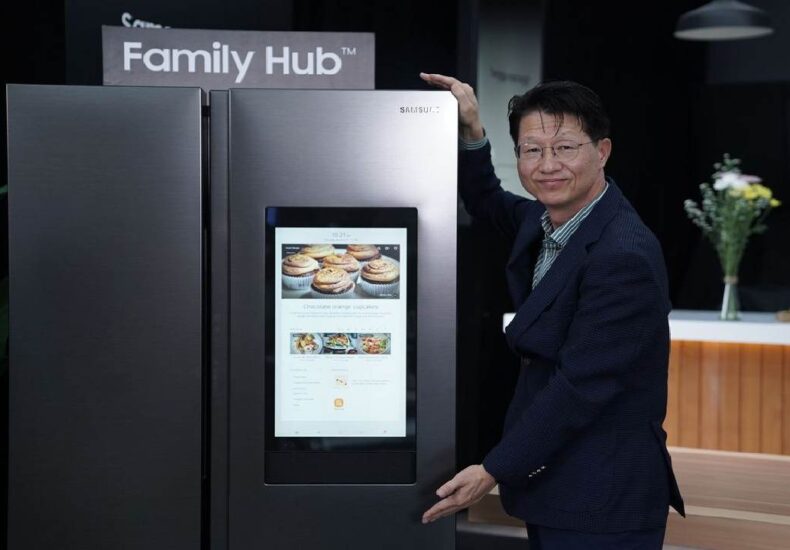
Bixby becomes smarter not only in understanding language but also in responding to context within smart home environments. For example, when a user informs the Samsung Family Hub refrigerator about newly stored food items, the system can automatically adjust its cooling mode accordingly. This level of contextual awareness demonstrates how AI can simplify everyday tasks without manual intervention. Similarly, Samsung air conditioners now respond to nuanced commands, such as activating WindFree mode to avoid direct airflow. These enhancements highlight a shift toward proactive technology that anticipates user needs. Therefore, instead of reacting passively, Bixby actively interprets situations and delivers tailored responses. This evolution makes smart appliances feel more intuitive and aligned with real-life scenarios.
Seamless Automation Across Multiple Devices
Another significant advantage of the upgraded Bixby is its ability to coordinate tasks across multiple devices within the home ecosystem. Users can now create chained commands, such as instructing a robot vacuum to clean the floor after the washing machine completes its cycle. This interconnected functionality transforms isolated devices into a cohesive system that works in harmony. Additionally, such automation reduces the need for constant monitoring, giving users more freedom to focus on other activities. As a result, the smart home becomes a dynamic environment that adapts to routines effortlessly. This feature not only improves efficiency but also enhances convenience, reinforcing Samsung’s commitment to delivering a truly integrated smart living experience.
Read More : Google Releases Emergency Chrome Update as Billions Face Hidden Security Threats
Beyond Devices: Bixby Answers Everyday Questions
Interestingly, Bixby’s new capabilities extend beyond controlling appliances, as it can now answer general lifestyle questions with relevant insights. Powered by AI technologies like Perplexity, the assistant can provide recommendations, such as suggesting family-friendly vacation destinations. This expansion of functionality transforms Bixby into more than just a device controller; it becomes an information hub within the home. Consequently, users can rely on a single assistant for both practical tasks and everyday inquiries. This dual role strengthens Bixby’s position in the competitive AI assistant landscape. Moreover, it reflects a growing trend where smart assistants serve as companions that enrich daily life, rather than tools limited to basic commands.
Samsung’s Vision for AI-Powered Living
Samsung clearly envisions a future where AI plays a central role in shaping how people interact with their homes. According to company executives, Bixby will continue to evolve, becoming more intuitive and deeply integrated into Samsung’s ecosystem. This long-term strategy focuses on creating a personalized experience where devices adapt to individual preferences. Furthermore, continuous software improvements ensure that users benefit from ongoing innovation without needing new hardware. This approach not only enhances user satisfaction but also builds trust in Samsung’s technology. As AI becomes more sophisticated, the line between human intention and machine response continues to blur, paving the way for a smarter and more connected living environment.
Availability and What Users Can Expect Next
Currently, the enhanced Bixby features are being rolled out in South Korea, Samsung’s home market, leaving global users eagerly awaiting its arrival. Although there is no confirmed timeline for international release, including Indonesia, anticipation continues to grow. This delay highlights the complexity of deploying AI features across diverse markets with varying languages and user behaviors. Nevertheless, Samsung’s track record suggests that broader availability is only a matter of time. In the meantime, this development serves as a glimpse into the future of smart homes worldwide. As Bixby becomes smarter, it sets a new benchmark for digital assistants, raising expectations for what users can achieve with connected devices in their everyday lives.