2026 World Cup schedule: See where, when and who your team plays
Fundacion Rapala – The long wait is over as FIFA officially unveiled the full schedule for the 2026 World Cup, giving fans a clear roadmap of what lies ahead. Following the conclusion of the final playoffs, every qualified team now knows their group, opponents, and match dates. This announcement transforms anticipation into reality, allowing supporters to plan their journeys, both emotionally and physically. Moreover, the tournament will span across three nations United States, Mexico, and Canada marking a historic expansion. From my perspective, this schedule is more than just dates and venues; it represents the beginning of countless stories waiting to unfold on the world stage.
Opening Matches Set the Tone for Each Group
The opening fixtures often carry emotional weight, and the 2026 edition is no exception. The United States, led by Christian Pulisic, will kick off their campaign against Paraguay in Los Angeles on June 12. Meanwhile, Mexico begins its journey against South Africa in Mexico City, creating an electric atmosphere at home. These early matches are crucial, as they shape momentum and confidence. Additionally, teams must adapt quickly to the intensity of tournament football. From an analytical standpoint, a strong start can define a team’s entire campaign. Therefore, these opening clashes are not just games; they are statements of intent.
“Read More : Run It Back: South Carolina, Texas, UConn, and UCLA “
Group Stage Battles Across Iconic Cities
As the group stage unfolds, matches will take place in major cities like Los Angeles, Seattle, Guadalajara, and Atlanta. Each location brings its own energy, culture, and atmosphere to the tournament. For instance, Seattle’s passionate fan base contrasts with the vibrant football culture of Mexico City. These environments can influence player performance and crowd dynamics significantly. Furthermore, traveling between cities adds another layer of challenge for teams. From a human perspective, these matches are not just about tactics but also about adapting to different conditions. Consequently, teams that manage both logistics and performance effectively will gain a competitive edge.
Key Matchups That Could Define the Tournament
Several fixtures stand out as potential turning points in the group stage. The United States facing Australia and Turkey presents a mix of styles that will test adaptability. Similarly, Mexico’s clashes with South Korea and the Czech Republic promise tactical battles filled with intensity. These matchups highlight the diversity of football philosophies across continents. Additionally, they create opportunities for underdog teams to surprise stronger opponents. From my perspective, these encounters often produce the most memorable moments. Therefore, fans should pay close attention to these games, as they may shape the narrative of the tournament early on.
“Read More : How Yaxel Lendeborg Honors His Mother’s Fight“
The Emotional Weight of Representing a Nation
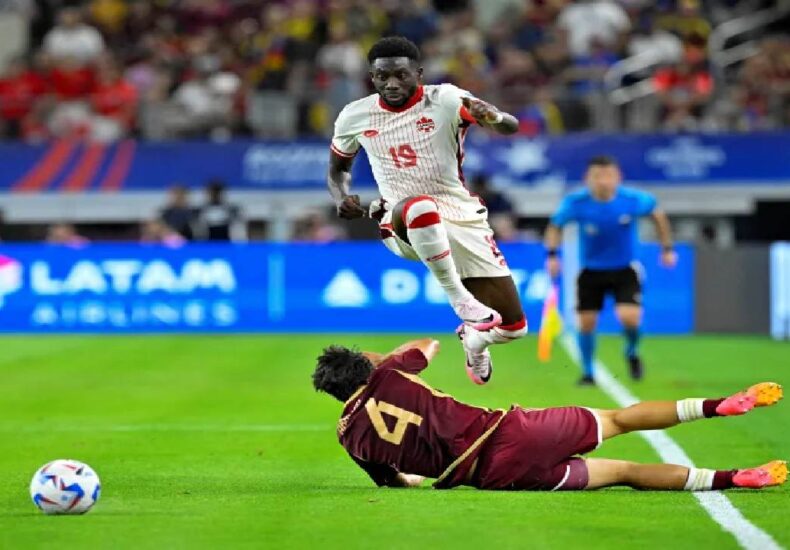
For players, the World Cup is more than just a competition; it is a chance to represent their country on the biggest stage. Each match carries the hopes and dreams of millions of supporters. Players like Christian Pulisic and Alphonso Davies will not only compete but also inspire their nations. Moreover, the pressure to perform can be both motivating and overwhelming. From a storytelling perspective, these emotional layers add depth to every game. Consequently, victories feel more meaningful, while defeats resonate deeply. This human element is what makes the World Cup unique among global sporting events.
A Tournament Designed for a New Era
The 2026 World Cup introduces a new format and expanded participation, reflecting the evolution of global football. With more teams involved, the competition becomes more inclusive and diverse. However, this also increases the complexity of the schedule and the intensity of the matches. Teams must navigate a longer and more demanding journey to reach the final stages. Additionally, fans will witness a wider range of playing styles and cultures. From an industry perspective, this expansion signals FIFA’s commitment to growing the sport worldwide. In my opinion, this new era brings both opportunities and challenges that will redefine the tournament experience.
Fans Prepare for a Journey Beyond the Game
As the schedule becomes public, fans around the world begin planning their journeys. Some will travel across continents, while others will gather in local communities to watch the matches. The World Cup creates a shared experience that transcends borders and cultures. Additionally, the anticipation builds as supporters imagine the moments that could define their team’s legacy. From a human interest angle, this collective excitement is as important as the matches themselves. It reminds us that football is not just a sport but a global language that connects people.