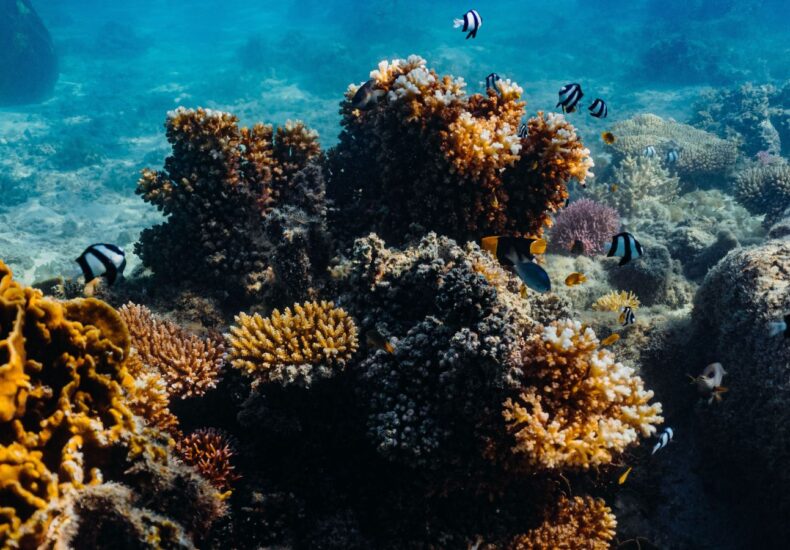
Exploring Reef Resilience Through the Science of Coral Adaptation
Fundacion Rapala – Coral reefs are among the most breathtaking and valuable ecosystems on Earth. They harbor a quarter of all marine life and sustain over a billion people by providing food, income, and protection from coastal erosion. But these colorful underwater cities are under siege. Climate change, overfishing, and pollution are pushing them to their
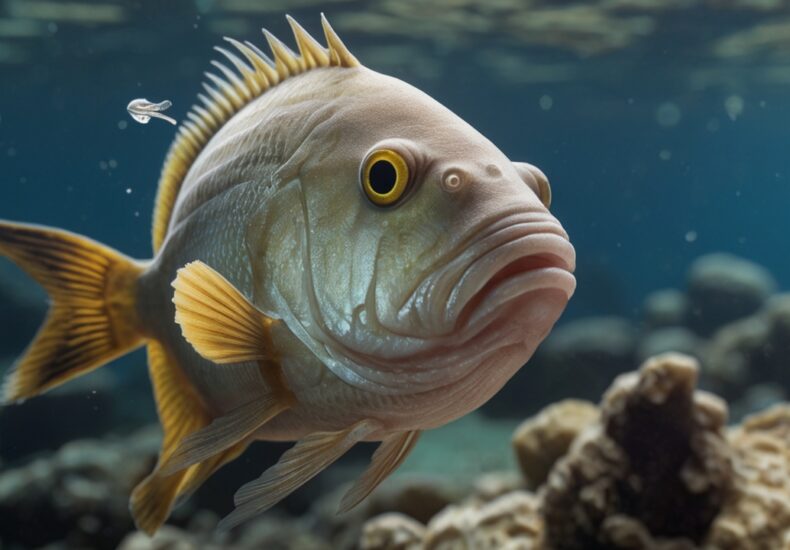
Genetic Barcoding: How DNA Helps Protect Fish Species
Fundacion Rapala – Genetic Barcoding is a revolutionary technique that uses a short DNA sequence to identify different species, similar to how a product barcode works. It relies on a standardized region of mitochondrial DNA—often the COI gene—which varies between species but remains consistent within one. This allows scientists to match DNA samples to a global database

The Role of Marine Protected Areas in Restoring Depleted Fish Populations
Fundacion Rapala – Marine Protected Areas (MPAs) are vital tools in the global effort to restore degraded marine ecosystems and reverse fish population declines. With oceans facing unprecedented stress from overfishing, climate change, and pollution, Marine Protected Areas (MPAs) offer a beacon of hope. When properly designed and managed, they not only protect biodiversity but also serve

Innovative Catch‑and‑Release Tools: Reducing Mortality through Design
Fundacion Rapala – Catch‑and‑Release fishing is often promoted as a sustainable practice, especially among conservation-focused anglers. However, improper tools and techniques can still cause significant stress and even death to the fish. Thankfully, modern innovations in catch-and-release gear have introduced new ways to improve fish survival rates while preserving the thrill of the sport. Barbless Hooks: A

Spillover Effects from MPAs to Recreational Fisheries
Fundacion Rapala – Marine Protected Areas (MPAs) are known for preserving ocean life. But beyond protection, they offer something more: spillover effects. These benefits reach nearby fishing areas, especially recreational fisheries, making MPAs valuable for both conservation and the economy. How Spillover Supports Nearby Fishing Zones Spillover happens when fish populations grow inside MPAs and then move

Ropeless Fishing Gear: A Gamechanger for Marine Conservation
Fundacion Rapala – The future of ocean sustainability increasingly relies on innovation. One of the most promising solutions in recent years is ropeless fishing gear—technology that offers a safer, cleaner alternative to traditional fishing practices. This gear helps reduce marine entanglements and eliminates ghost gear, benefiting both marine ecosystems and coastal communities. The Hidden Cost of Traditional

Harnessing Whale Faeces to Track Arctic Ocean Health
Fundacion Rapala – Recent landmark research has revealed innovative use of whale faeces as a biological indicator to monitor the health of the Arctic Ocean. Specifically, scientists analyzed samples from bowhead whales to track the presence of harmful algal toxins over time Why Whale Faeces Matter in Ecological Monitoring Firstly, whale faeces serve as integrated snapshots of

Coral Reef Restoration with AI Underwater Drone Technology
Fundacion Rapala – Coral reefs are the rainforests of the sea—complex ecosystems teeming with life. However, due to climate change, pollution, and destructive fishing practices, these fragile ecosystems have been rapidly deteriorating. As global awareness of marine conservation grows, scientists and innovators are turning to cutting-edge technology to aid in their restoration. Among the most promising solutions

Blue Carbon: Oceanic Carbon in Conservation and the Green Economy
Fundacion Rapala – In recent years, the term blue carbon has gained momentum in both environmental and economic discussions. It refers to the carbon stored in coastal and marine ecosystems, such as mangroves, seagrasses, and salt marshes. These ecosystems play a crucial role in mitigating climate change by sequestering atmospheric carbon dioxide (CO₂) more efficiently than terrestrial

Modern Aquaculture Technology: IoT & AI in Fish Farming
Fundacion Rapala – Aquaculture, also known as fish farming, has long played a vital role in global food security. However, with the increasing demand for seafood and the growing concerns over environmental sustainability, modern technologies such as IoT (Internet of Things) and AI (Artificial Intelligence) are becoming essential in transforming traditional fish farming into a smarter, more