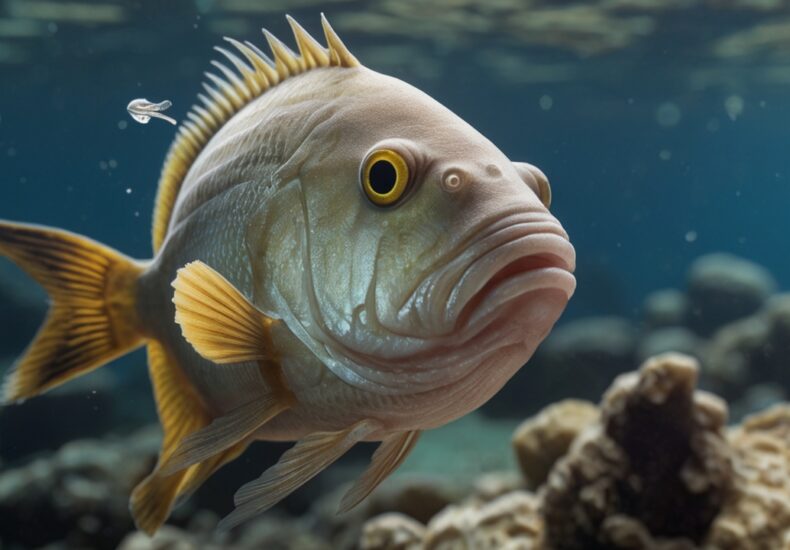
Genetic Barcoding: How DNA Helps Protect Fish Species
Fundacion Rapala – Genetic Barcoding is a revolutionary technique that uses a short DNA sequence to identify different species, similar to how a product barcode works. It relies on a standardized region of mitochondrial DNA—often the COI gene—which varies between species but remains consistent within one. This allows scientists to match DNA samples to a global database like BOLD. As a result, the process is accurate, fast, and reliable even when external features are unclear or fish are processed. This advancement is especially crucial in aquatic environments where species are often difficult to distinguish by appearance alone. It empowers regulators, researchers, and even retailers to verify species identity with confidence. In the context of the seafood industry, this has become an essential tool not only for enforcement but also for sustainability certification and consumer trust. Genetic barcoding transforms how we identify and protect marine life, ensuring that every fish is what it claims to be.
Why Accurate Species Identification Matters
Many fish species look alike, making visual identification nearly impossible—especially once processed into fillets. Misidentifying species can lead to the unintentional consumption of endangered or toxic fish, disrupt ecological balance, and complicate conservation efforts. Genetic barcoding solves this by confirming species at the molecular level. In marine biodiversity hotspots, where many species are still undocumented, barcoding is invaluable for cataloging life forms accurately. Additionally, it helps prevent the accidental exploitation of threatened species, promoting better management practices. With accurate data, governments and NGOs can track which species are overfished and take action before populations collapse. By knowing precisely what species are being caught and sold, regulators can set more effective fishing quotas and implement targeted conservation plans. Barcoding ensures the right species are protected and the right ones are harvested—striking a balance between ecological preservation and economic viability. Ultimately, precision in identification leads to more responsible fishing worldwide.
“Read more: Google Launches AI-Powered News Summaries in Discover Feed“
Combatting Seafood Mislabeling with DNA Evidence
Seafood mislabeling is a widespread problem—often motivated by profit or supply chain gaps. High-value fish like tuna or snapper are sometimes swapped with cheaper substitutes, misleading consumers and undermining sustainable fisheries. Genetic barcoding exposes this fraud. By comparing DNA from a fish sample to barcode databases, regulators can instantly confirm or dispute labeling claims. For example, a restaurant may label fish as “wild salmon,” but DNA testing might reveal it’s farmed trout instead. This discrepancy impacts not just price, but also health, religious, and ethical considerations. More importantly, mislabeling allows illegal or unsustainable fishing practices to go unnoticed, contributing to overfishing and ecological damage. Through regular testing and enforcement, barcoding helps clean up seafood markets by holding suppliers accountable. It also encourages transparent sourcing across the supply chain. As a result, consumers receive exactly what they paid for, while fisheries that follow the rules gain a competitive edge.
Tracking Marine Biodiversity Through Barcoding
Beyond markets and menus, genetic barcoding plays a crucial role in monitoring marine biodiversity. Marine ecosystems are complex and dynamic, with species distributions shifting due to pollution, climate change, and human activity. Barcoding allows scientists to track these changes accurately over time. Even trace DNA in seawater—known as environmental DNA (eDNA)—can reveal which species are present in a given area. This is especially helpful for detecting rare, invasive, or migratory fish that might otherwise go unnoticed. Continuous barcoding efforts create genetic archives that serve as biodiversity baselines. These can be used to assess conservation impact or detect early signs of ecological imbalance. For instance, a sudden drop in a predator species’ DNA signal might hint at habitat loss or overfishing. Armed with such insights, conservationists can respond faster and more effectively. Overall, barcoding enriches our understanding of marine ecosystems, helping preserve the delicate balance beneath the waves.
Empowering Sustainable Fishing Practices
Sustainability in fishing begins with knowing exactly what species are being caught. Without this knowledge, illegal, unregulated, and unreported (IUU) fishing thrives—leading to resource depletion and economic losses. Genetic barcoding enables more accurate fisheries monitoring by confirming species in catches, shipments, and processed products. It also helps prevent the unintentional harvest of juvenile or protected species. Fisheries that use barcoding to prove sustainability credentials can access eco-certifications like MSC, opening up premium markets. Moreover, barcoding supports the enforcement of catch quotas and seasonal bans. Authorities can randomly test fish at ports or markets to ensure compliance, making it harder for illegal catches to slip through. As a result, barcoding promotes accountability across the supply chain—from sea to supermarket. For fishers, this means fair competition. For the planet, it means better-managed oceans. Ultimately, DNA verification transforms fishing into a more ethical, data-driven practice, aligning profit with long-term environmental stewardship.
Boosting Consumer Trust Through DNA Transparency
Today’s consumers want more than just tasty seafood—they demand transparency, sustainability, and truth in labeling. Genetic barcoding empowers them by verifying the authenticity of fish species in markets and restaurants. With the rise of QR code integration, buyers can now trace their seafood back to its source. This includes information on species name, origin, and fishing method. Such transparency strengthens trust between consumers and suppliers. People feel more confident purchasing from brands that embrace science-based verification. It also raises awareness about threatened species and ethical harvesting practices. When consumers know what they’re eating and where it comes from, they’re more likely to make eco-conscious choices. Retailers benefit too, as authenticity boosts brand credibility and customer loyalty. In short, barcoding transforms seafood into a story of traceability and responsibility—shifting consumer behavior towards sustainable consumption and supporting the broader goal of ocean conservation.
Global Collaboration Through Barcoding Databases
Genetic barcoding has become a global initiative, powered by shared databases like BOLD (Barcode of Life Data Systems) and GenBank. These platforms store millions of species’ genetic sequences, enabling scientists, regulators, and researchers worldwide to identify fish accurately. Collaborative programs like Fish-BOL aim to create a complete barcode reference for all fish species, uniting experts from every continent. This international cooperation is crucial because marine biodiversity doesn’t follow political borders. Fish migrate, trade spans countries, and illegal fishing is a global issue. By sharing DNA data, countries can monitor fish populations, detect cross-border mislabeling, and enforce conservation laws more effectively. It also enhances scientific research, helping discover new species or document range expansions due to climate change. Through barcoding, nations are not only protecting their own waters but contributing to global marine stewardship. Cooperation via shared DNA knowledge is laying the groundwork for a truly sustainable blue economy.
Addressing Limitations of Genetic Barcoding
Despite its advantages, genetic barcoding does face challenges. One issue is the incomplete reference databases for lesser-known or newly discovered fish species. If a sample doesn’t match any barcode on file, it results in an inconclusive identification. Additionally, the cost of barcoding—while decreasing—is still a barrier in low-resource countries or small fisheries. Field labs and portable sequencing devices are improving access, but widespread implementation remains uneven. There’s also the legal aspect. In some jurisdictions, DNA evidence may not yet be admissible or sufficient for enforcement. Ethical considerations around data ownership and the impact on traditional fishing communities must also be addressed. Despite these concerns, ongoing investment in research, infrastructure, and policy frameworks is closing the gap. As technology advances and databases grow, barcoding will become more accessible, affordable, and reliable. Acknowledging and solving these limitations is key to unlocking the full potential of genetic barcoding in fisheries management.
The Future of Fish Identification with AI and NGS
Genetic barcoding is rapidly evolving thanks to next-generation sequencing (NGS) and artificial intelligence (AI). NGS allows researchers to analyze multiple genes—or even whole genomes—simultaneously, improving accuracy and identifying closely related or hybrid species. This is a leap forward from traditional single-gene barcoding. Meanwhile, AI algorithms can automate species identification by comparing DNA sequences in real time, drastically reducing human error and analysis time. These innovations mean barcoding can move from specialized labs to docks, markets, and even fishing vessels. Blockchain integration is also on the horizon, promising tamper-proof traceability from ocean to plate. As a result, the seafood industry is entering an era of unprecedented transparency and accountability. With these technologies, genetic barcoding won’t just be a tool for scientists—it’ll be part of everyday business operations. The convergence of DNA science, AI, and digital platforms will redefine how we manage, consume, and conserve marine life.
Barcoding for a Better Ocean Future
Genetic barcoding is more than a scientific breakthrough—it’s a practical solution for protecting fish species and marine ecosystems. By accurately identifying seafood, it curbs mislabeling, supports conservation, and encourages sustainable fishing. Consumers gain confidence, regulators get better tools, and the environment benefits from more responsible practices. As the technology becomes more accessible and precise, it will reshape how the world interacts with seafood. Barcoding bridges the gap between science and society, giving everyone a role in ocean protection. From local fishers to international governments, DNA empowers smarter choices. As we move into a future that values sustainability and transparency, genetic barcoding stands at the forefront. It’s not just about knowing what’s on your plate—it’s about preserving the ocean for generations to come.