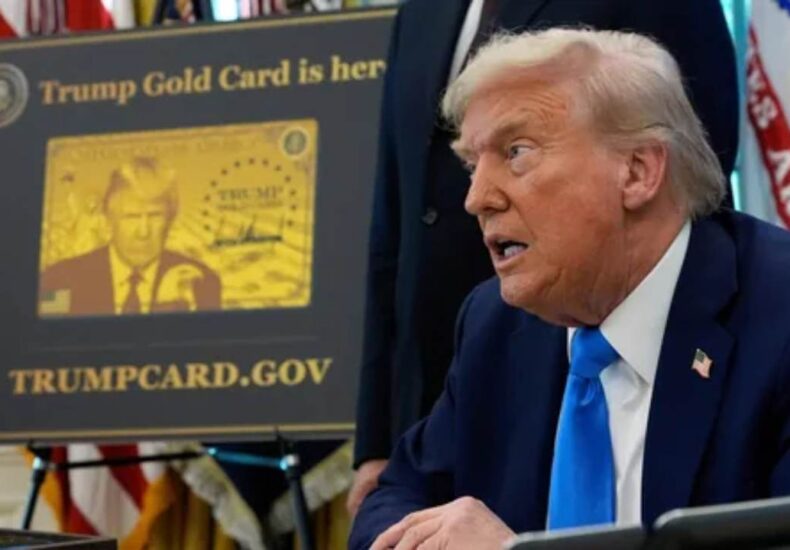
The Trump Gold Card: A New Era of Fast-Track Immigration for the Wealthy
Fundacion Rapala – The Trump Gold Card launched with strong reactions from supporters and critics alike. President Donald Trump introduced it during a White House roundtable, calling it a fresh step for U.S. immigration. Many Americans, however, felt uneasy. The idea of paying $1 million for a faster immigration pathway raised questions about fairness and opportunity. Still, the program promises quick results for wealthy applicants who want stability and certainty. This contrast between speed and cost created emotional tension in the public conversation. It also reminded people that immigration is not only a policy issue but a deeply personal matter tied to identity and national values. With one announcement, the administration turned the immigration debate into something sharper and more urgent.
How the Trump Gold Card Works
The official site, trumpcard.gov, outlines a direct but expensive process. Applicants begin by paying a $15,000 processing fee and submitting required documents. After a background check, they must contribute $1 million to secure fast-track residency. The site says approvals may take only “weeks,” which is dramatically faster than most visa timelines. The process still includes interviews and possible additional fees from the State Department. Once approved, successful applicants receive a permanent resident card under the EB-1 or EB-2 category. These visas are normally reserved for people with exceptional skills. By lowering wait times and simplifying steps, the program aims to attract wealthy foreign nationals. For many of them, speed brings a sense of security that traditional immigration procedures rarely offer.
The Coming Trump Platinum Card
Soon after unveiling the Gold Card, the administration teased an even more exclusive option: the Trump Platinum Card. The program is not available yet, but the website already invites foreign nationals to join a waiting list. When launched, eligible applicants will pay a $5 million contribution and the standard processing fee. In return, they will be allowed to stay in the United States for up to 270 days a year without paying U.S. taxes on income earned abroad. This feature targets global elites who want freedom of movement and lighter tax obligations. Many details remain unclear, including the launch date. Yet the preview shows that the administration plans to shape immigration pathways around financial capacity. As a result, residency becomes a premium service rather than a traditional legal process.
A System at Odds With Traditional Immigration
The Gold Card appears during a period of tighter immigration controls. The administration has restricted or delayed most legal and illegal entry channels following several security incidents. This makes the new fast-track option stand out even more. Commerce Secretary Howard Lutnick, a key supporter, argues that the current green card system often brings in immigrants from the “bottom quartile.” His comments drew heavy criticism from advocates and lawmakers. Lutnick claims the new program builds on the EB-5 investor visa, which already links investment to residency. Legal experts, however, warn that major changes to EB-5 require congressional approval. This creates uncertainty around how the Gold Card fits into existing laws. Even so, the administration highlights potential revenue, suggesting the program could generate up to $1 trillion to reduce national debt.
“Read More : European Central Bank Warns of Rising Inflation Risks as New Forecasts Loom”
Supporters, Critics, and the Emotional Divide
Reactions to the Gold Card show a deep divide in public opinion. Supporters view it as a strategic move to attract wealthy, highly capable individuals who may invest or innovate in the U.S. They believe such applicants strengthen the economy and add global reach. Critics see the program very differently. To them, it turns immigration into a luxury product available only to the rich. They argue that it ignores families who spend years—and often their savings—trying to secure legal status through traditional paths. The emotional weight of these concerns reflects long-standing questions about fairness and national identity. With every interview, statement, and social media post, the debate grows louder. Many people now wonder whether money should ever influence access to a future in America.
What Comes Next for the Gold Card Program
Although the program is now live, many operational questions remain. Government agencies must coordinate interviews, background checks, and approvals at a speed rarely seen in immigration systems. The promise of processing “within weeks” places pressure on departments already stretched by staffing shortages. At the same time, foreign applicants watch closely and prepare for the Platinum Card’s eventual launch. Lawmakers, business leaders, and advocacy groups continue to examine the policy’s impact. Their concerns range from administrative capacity to ethical implications. Even before the first approvals are issued, the Gold Card has reshaped national conversations about who gets to enter the country and why. It has become a symbol of shifting priorities in modern American immigration.