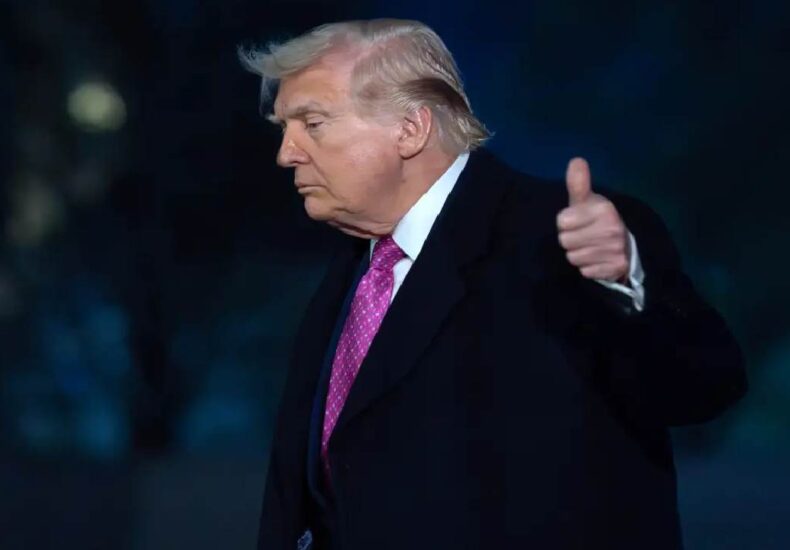
Article: US Gas Hits $4 as Trump Tells Other Nations to ‘Go Get Your Own Oil’
Fundacion Rapala – The United States has seen a sharp rise in gas prices, with the average price hitting $4 per gallon. This marks the highest level since 2022. The ongoing war in Iran has heavily impacted oil supply chains, especially through the critical Strait of Hormuz. As a result, global oil prices have surged. Former President Donald Trump has weighed in, telling U.S. allies to take matters into their own hands and secure oil supplies. Meanwhile, U.S. troops are maintaining a presence in the region, with further military involvement being discussed.
The Surge in Gas Prices and Energy Costs
Gas prices in the U.S. have soared to $4 per gallon, putting pressure on households and businesses alike. The war in Iran, which has severely disrupted oil tanker traffic in the Strait of Hormuz, has caused these price hikes. This critical waterway sees about 20% of the world’s oil supply pass through it. With the blockade in place, oil deliveries have slowed, pushing energy costs even higher. This has left American consumers struggling to cope with the rising prices at the pump.
“Read More : Comfortable Boots Tips for Women Over 50 to Stay“
Trump’s Criticism of European Allies
Trump has criticized European allies for not doing enough to secure their oil needs. He told the U.K. and other countries to go to the Strait of Hormuz and “just TAKE IT” if they need more jet fuel. Trump’s blunt remarks have stirred tensions between the U.S. and its European partners. He has questioned why countries that rely on oil from the Middle East haven’t taken stronger action to support U.S. interests in the region.
U.S. Military Strategy: “Regime Change” in Iran
U.S. Defense Secretary Pete Hegseth recently suggested that “regime change has occurred” in Iran. While the exact meaning of this statement is unclear, it reflects a shift in Washington’s approach to the conflict. Hegseth also emphasized that the U.S. is focused on pursuing a deal to end the war in Iran. With the region becoming increasingly unstable, the U.S. continues to weigh its options, including potential direct military involvement.
“Read More : Tragedy at LaGuardia Airport: What We Know“
The Strategic Importance of the Strait of Hormuz
The Strait of Hormuz is one of the world’s most crucial oil shipping routes. It connects the Persian Gulf to the Arabian Sea, and any disruption to this passage affects global oil supplies. The ongoing war in Iran has caused significant disruptions to shipping, with tankers no longer able to pass through safely. This has exacerbated the global energy crisis, leading to rising fuel costs. The U.S. and its allies are working to address the blockage, but the situation remains fragile.
U.S. Troops in the Indian Ocean
Speculation about a potential U.S. ground operation in Iran has been increasing. The U.S. military has deployed the USS Tripoli, which is believed to be carrying Marines, to the Indian Ocean. U.S. Central Command has made it clear that it plans to remain unpredictable in the region. The military aims to maintain strategic flexibility, including the possibility of U.S. troops entering Iran if the situation worsens. While ground operations are not yet confirmed, the presence of U.S. forces in the area signals a readiness to escalate if necessary.
Escalating Strikes in Iran and the Region
The conflict in Iran has seen an escalation in airstrikes targeting key infrastructure, including a desalination plant on Qeshm Island. These strikes have disrupted daily life in various Iranian cities. Additionally, tensions between Iran and its neighbors have intensified. For instance, Iran recently attacked a Kuwaiti tanker off the coast of Dubai, adding to the mounting regional instability. These events highlight the increasing volatility of the situation and the global repercussions of the ongoing conflict.