Trump Delays Hormuz Deadline as Iran Denies Talks: Rising Tension Sparks Global Uncertainty
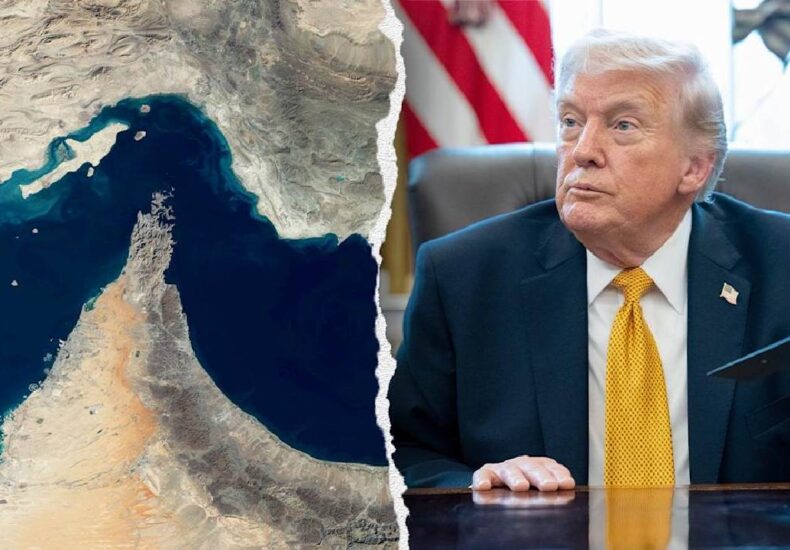
Fundacion Rapala – Tension between the United States and Iran entered a new phase when President Donald Trump unexpectedly postponed his deadline for reopening the Strait of Hormuz. Initially, the deadline came with a strong warning, including possible strikes on Iranian power facilities. However, the sudden delay of five days introduced uncertainty rather than relief. Trump claimed that both sides had engaged in “productive conversations,” suggesting that diplomacy might still be possible. Yet, the situation remains fragile, as the conflict continues to escalate in the background. This decision reflects a delicate balance between pressure and negotiation. While some see the move as a strategic pause, others interpret it as a sign that the situation remains unpredictable and far from resolved.
Iran Firmly Denies Any Dialogue with Washington
Despite Trump’s claims, Iran quickly rejected the idea that any talks had taken place. Officials from Tehran stated clearly that no dialogue existed between the two countries. This contradiction has deepened confusion and raised concerns among global observers. Iran’s response signals that trust between the two nations remains extremely low. At the same time, reports from Iranian media suggest that contingency plans may already be in place for further escalation. These developments highlight a widening gap between public statements and actual diplomatic progress. As both sides present different narratives, the world watches closely, trying to determine which version reflects reality. The absence of clear communication only adds to the tension surrounding this already volatile situation.
“Read More : Tragedy at LaGuardia Airport: What We Know“
The Strategic Importance of the Strait of Hormuz
The Strait of Hormuz stands at the center of this geopolitical conflict, making it one of the most critical waterways in the world. A significant portion of global oil supply passes through this narrow route, linking producers in the Middle East to international markets. Any disruption in this area immediately affects global energy prices and economic stability. Trump’s original ultimatum underscored how vital this passage remains for international trade. Iran, on the other hand, views control over the strait as a powerful strategic tool. This shared understanding of its importance explains why tensions escalate so quickly around it. The situation resembles a high-stakes chess game, where each move carries consequences far beyond the region.
Human Cost Continues to Rise Across the Region
While political leaders exchange statements and strategies, the human cost of the conflict continues to grow. Reports indicate that thousands of people have died across Iran and Lebanon since the fighting began. Behind these numbers are families, communities, and lives disrupted by ongoing violence. Civilians often bear the greatest burden, facing uncertainty, displacement, and fear. As the conflict drags on, humanitarian concerns become increasingly urgent. The emotional weight of these losses reminds the world that geopolitical conflicts are never just about power or territory. They also involve real people who struggle to survive amid chaos. This growing toll adds pressure on global leaders to find a path toward de-escalation.
“Read More : Pentagon Identifies Six Airmen Killed in Tragic“
Global Markets React with Cautious Optimism
Financial markets responded quickly to Trump’s announcement, reflecting a mix of relief and uncertainty. Oil prices dropped shortly after the delay, signaling that traders expect a temporary easing of tensions. At the same time, Asian stock markets showed early gains, suggesting renewed investor confidence. However, this optimism remains fragile. Market reactions often shift rapidly based on new developments, especially in volatile geopolitical situations. Investors continue to monitor every update closely, knowing that any sudden escalation could reverse current trends. This dynamic highlights how deeply interconnected global markets are with political decisions. Even a brief pause in conflict can influence economic sentiment across continents.
Asia Takes Action to Manage the Oil Crisis
Countries across Asia have already begun adapting to the economic impact of the ongoing conflict. Governments are introducing measures to reduce fuel consumption and support their citizens. For instance, some nations have encouraged energy-saving campaigns, while others have released strategic oil reserves. In certain regions, authorities have even implemented reduced workweeks to manage energy demand. These steps reflect a proactive approach to dealing with rising fuel costs and economic pressure. Leaders recognize that the conflict’s impact extends far beyond the battlefield, affecting daily life for millions of people. By acting early, these countries aim to stabilize their economies and protect vulnerable populations from further hardship.
A Fragile Window for Diplomacy Amid Escalation
The five-day delay announced by Trump creates a narrow window for potential diplomacy, but its success remains uncertain. On one hand, the pause offers an opportunity for both sides to reconsider their positions and explore peaceful solutions. On the other hand, the lack of confirmed dialogue suggests that meaningful negotiations may not yet exist. This situation places the world in a state of anticipation, where every statement and action carries significant weight. The coming days will likely determine whether this pause leads to progress or further conflict. For now, the international community watches closely, hoping that this brief moment of hesitation can open the door to a more stable future.