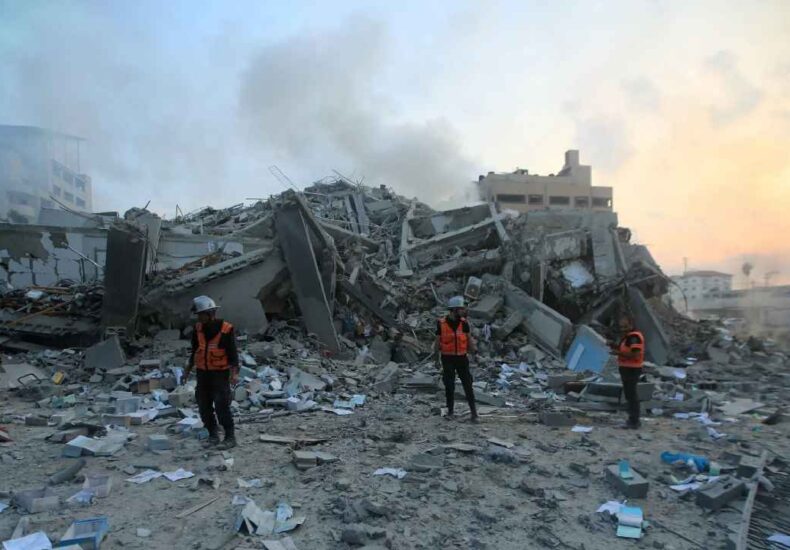
Hamas Ends 18 Years of Rule in Gaza, Opening a New Chapter for Civil Administration
Fundacion Rapala – The political situation in Gaza entered a historic moment on July 6, 2026. Hamas officially announced that it would no longer manage the territory’s civilian government after almost eighteen years in power. The decision marked one of the biggest political changes since Hamas took control of Gaza in 2007. Since then, the group has led the territory through many difficult periods. Now, Hamas says it wants a peaceful transfer of civilian responsibilities. Therefore, a technocratic organization called the National Committee for the Administration of Gaza (NCAG) is expected to take over daily administration. Although several questions remain, the announcement has already attracted global attention. Many observers now wonder whether this move can open the door to greater political stability.
Hamas Announces a Historic Political Transition
Hamas confirmed that it no longer wants to oversee Gaza’s civilian administration. The group had already expressed this intention after the ceasefire with Israel began in October 2025. This latest announcement turned those statements into official policy. Ismail Al Thawabta confirmed that Mohammed Al Farra resigned from his leadership role. Soon after, officials dissolved the Government Emergency Committee that had managed public affairs for years. As a result, Hamas cleared the way for a different administrative structure. Leaders described the move as a practical step toward a smoother political transition. They also said the decision could reduce tensions and encourage broader cooperation in the future.
Read More : Superyacht Allegedly Linked to Putin
NCAG Prepares to Manage Civil Administration
The National Committee for the Administration of Gaza now stands at the center of the transition process. The committee includes Palestinian technocrats with experience in public administration and civil services. Instead of focusing on politics, its members aim to improve daily governance. Currently, the committee operates from Cairo while preparing for future responsibilities inside Gaza. Moreover, its leaders hope to restore public administration through professional management. Many analysts believe this approach could strengthen institutions and improve public services. However, the committee still faces several practical challenges before it can begin working directly inside Gaza. Therefore, careful planning remains essential during this important period.
Hamas Calls the Decision a Strategic Step
Hamas spokesperson Hazem Qassem explained that the decision reflects a broader political strategy. According to him, Hamas wants to remove reasons for continued military confrontation while creating more room for diplomacy. He also stressed that the organization is ready to hand over civilian responsibilities peacefully. Furthermore, Hamas urged the committee to begin its work as soon as possible. Leaders believe this transition can support Gaza’s residents during a difficult period. At the same time, they hope the move encourages stronger regional dialogue. Even so, many political observers continue to examine how this decision could influence future negotiations across the region.
Read More :Eight Monks Killed in Thailand Crash, Truc
Palestinian Groups Respond with Careful Optimism
Several Palestinian factions discussed the proposal during meetings in Cairo. According to Hamas officials, many representatives welcomed the transition plan. They viewed the decision as a constructive step toward better cooperation. In addition, several participants supported the idea of separating public administration from political competition. That approach could help government institutions operate more effectively. However, many experts also warned that political agreement alone will not guarantee success. Regional cooperation, security arrangements, and humanitarian support remain equally important. Therefore, the coming months will show whether this political understanding can produce real progress for Gaza’s civilian population.
Major Challenges Still Stand Ahead
Despite the announcement, the transition process still faces important obstacles. NCAG has not yet entered Gaza because political disagreements continue. Consequently, the committee cannot begin its responsibilities on the ground. Humanitarian conditions also remain difficult after years of conflict and economic hardship. Meanwhile, public services still require strong coordination and long-term planning. Analysts believe political commitments must quickly lead to practical action. Otherwise, expectations may fade over time. International support could also become an important factor in helping the new administration succeed. For that reason, many governments and humanitarian organizations continue to monitor every development closely.
Gaza Enters a New Political Era
The end of Hamas’ eighteen-year administration represents an important turning point for Gaza. Instead of continuing direct civilian rule, the organization now supports a different administrative model. Many residents hope this change will improve daily life and strengthen public institutions. Meanwhile, regional leaders and international partners continue to watch the transition carefully. The success of NCAG will depend on cooperation, stability, and effective leadership. It will also require practical solutions instead of political promises. Although uncertainty remains, this decision offers a meaningful opportunity to reshape Gaza’s future. The coming months will determine whether this historic transition creates lasting progress for the people of Gaza.