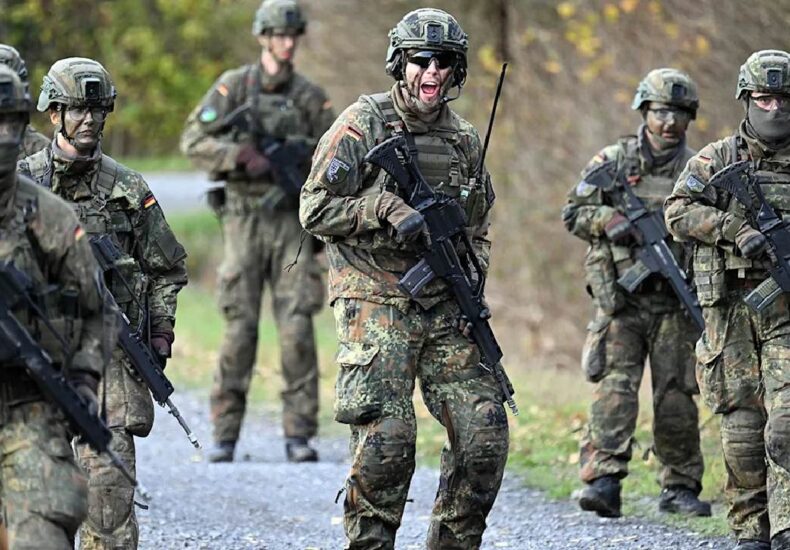
Germany’s Approves New Plan to Attract More Military Recruits as Europe Confronts Rising Tensions with Russia
Fundacion Rapala – Germany’s Bundestag approved a major military reform that signals a clear shift in the country’s defense mindset. The vote passed with 323 lawmakers supporting the bill and 272 opposing it. This decision shows how growing tensions with Russia have pushed Germany to rethink its defense posture. For decades, the nation relied heavily on voluntary enlistment and NATO’s protection. Now, many leaders believe Europe must become more self-reliant. The reform has sparked strong emotions because Germany’s history still shapes public attitudes toward the military. Yet the current global situation makes the debate feel urgent. Many Germans fear instability but also hope the country can protect itself more effectively. The vote reflects this mix of concern, responsibility, and a desire to adapt to new threats that continue to reshape Europe’s security landscape.
How the New Recruitment System Will Function
The new plan focuses on voluntary enlistment while creating room for future conscription if needed. Germany wants to increase its active troops to 260,000 and add 200,000 reservists by 2035. To attract more volunteers, the government offers a higher starting salary of €2,600 per month. This number is €450 higher than before. Starting next year, all 18-year-olds will receive a questionnaire asking about their interest in joining the military. Only men must answer the survey, but women can respond if they want. By July 2027, young men will also take mandatory military exams at age 18. These steps aim to build a clearer picture of Germany’s available manpower. The structure remains flexible and allows a shift to needs-based conscription if voluntary numbers fall short.
Mandatory Exams and Possible Conscription in the Future
Mandatory exams are one of the most important parts of the reform. Beginning in July 2027, every man who turns 18 will take a medical and physical examination. This process helps Germany understand who is fit for service and who is not. The system prepares the country for a possible return to conscription if necessary. Lawmakers insist that the exams do not mean a full draft will return soon. Instead, the exams give the government a safety net during uncertain times. Critics still worry that this may be the first step toward compulsory service. Supporters believe the exams are essential for national readiness. As Europe faces a more unstable environment, the idea of preparedness has become a central theme in Germany’s new defense strategy.
A Growing European Trend in Response to Russia
Germany’s reform aligns with a broader trend across Europe. Denmark expanded conscription to include women. Latvia restored mandatory military service for men in 2024. France launched a new voluntary youth service program to strengthen national defense. These moves began after Russia invaded Ukraine in 2022, raising fears across the continent. Many European nations no longer assume long-term peace is guaranteed. Germany’s decision puts it alongside its neighbors in preparing for a more unpredictable future. The shift also signals that Europe wants to rely less on the US, especially as American foreign policy changes. While each country has taken its own approach, the message is clear: European security now requires stronger national effort. Germany’s new recruitment system is one piece of that larger strategy.
Why Germany Let Its Military Strength Decline
Germany stopped mandatory military service in 2011 and shifted to a fully voluntary system. At that time, the government believed the country faced few external threats. Many citizens still felt uneasy about military expansion because of Germany’s history during World War II. As a result, the Bundeswehr went through years of underfunding. Its equipment aged, recruitment slowed, and readiness dropped. Defense spending also fell below NATO’s 2% GDP target. But Russia’s military actions forced Germany to face a different reality. Leaders now admit the country cannot depend entirely on allies. The new bill reflects a need to rebuild strength after a long period of decline. Germany hopes the reforms will create a military that can protect both the nation and Europe.
A Complex Emotional Debate for German Society
The reform has sparked strong reactions across the country. Supporters believe Germany must be ready to defend itself and support its allies. They argue the world has changed, and the country needs to adapt quickly. Critics worry the reforms may lead to a slow return to mandatory service. Families with teenage boys express fear about future obligations. Yet many also understand that national defense is a shared responsibility. The debate touches deep emotions tied to Germany’s past, but it also reflects a desire to protect its future. The government insists the new plan focuses on readiness, not militarization. Still, the fear of repeating history lingers. This emotional tension makes the reform one of the most sensitive political decisions of recent years.
Europe Watches Germany Redefine Its Security Role
Germany’s decision is being watched closely across Europe. The country plays a central role in the European Union, and its choices often influence others. With Russia showing no signs of easing its military pressure, the need for a stronger European defense appears clear. Germany’s move could inspire similar reforms in neighboring countries. The plan blends voluntary service with potential conscription, giving Germany flexibility as geopolitical risks change. Whether the new approach succeeds depends on public support and recruitment results over the next several years. What is certain is that Germany is taking a more assertive stance in shaping the continent’s security. This shift marks the beginning of a new chapter in Europe’s response to global threats.