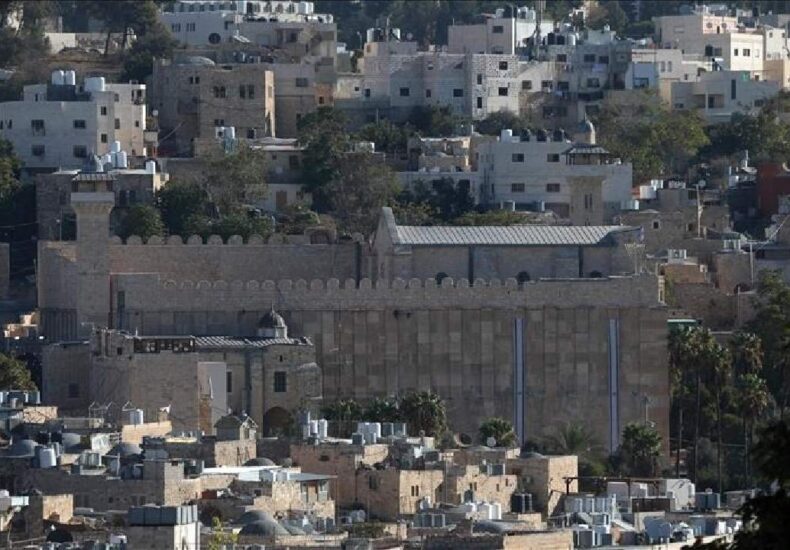
Israel’s Move to Take Control of the Ibrahimi Mosque Sparks New Tensions in the West Bank
Fundacion Rapala – A new political dispute has emerged in the occupied West Bank after Israel announced changes to the administrative control of the Ibrahimi Mosque, known to Jews as the Cave of the Patriarchs. The decision immediately attracted international attention because of the site’s religious, historical, and political significance. For many people in the region, the site represents far more than a place of worship. It symbolizes identity, heritage, and centuries of shared history. As news of the decision spread, reactions quickly followed from Palestinian officials, human rights groups, and international observers. While Israeli leaders described the move as an administrative and governance measure, critics argued that it could alter long-standing arrangements surrounding one of the most sensitive religious sites in the Middle East. Consequently, the announcement has reignited discussions about sovereignty, heritage protection, and the future of the Israeli-Palestinian conflict.
Why the Ibrahimi Mosque Holds Deep Religious Importance
The Ibrahimi Mosque occupies a unique place in the hearts of millions of believers around the world. Located in the city of Hebron, the site is revered by Muslims, Jews, and Christians alike. According to religious tradition, it contains the burial place of Prophet Abraham and several members of his family. Because of this shared connection, the location has long been regarded as one of the most sacred sites in the region. Throughout history, pilgrims from different faiths have traveled to Hebron to pray and reflect within its walls. However, the site’s significance has also made it a focal point for political disputes and competing claims of ownership. As a result, every administrative change tends to attract intense scrutiny. Therefore, the latest decision carries symbolic weight far beyond its practical implications on daily management.
Hebron Remains a City Shaped by Complex Realities
To understand the controversy, it is important to consider Hebron’s unique situation. The city is one of the largest Palestinian population centers in the West Bank, yet parts of it remain under Israeli control. Over the years, various agreements have attempted to regulate governance and security arrangements within the city. Nevertheless, tensions have frequently resurfaced due to differing interpretations of those agreements. In addition, Hebron is home to both Palestinian residents and Israeli settlers who live in close proximity. This reality creates a highly sensitive environment where even administrative decisions can trigger strong reactions. Consequently, changes involving religious sites often become broader political issues. The latest development reflects the ongoing challenges of balancing security concerns, religious interests, and political aspirations within one of the most contested cities in the region.
Read More : Iran at the 2026 FIFA World Cup: Where Global Football
Palestinian Leaders Strongly Reject the Decision
Palestinian authorities responded quickly and forcefully to the announcement. Officials argued that the decision violates previous agreements and undermines established arrangements regarding the administration of the site. Furthermore, Palestinian leaders described the move as a unilateral action that could further complicate efforts to achieve stability. Their concerns extend beyond the immediate impact on the mosque itself. Many fear that the decision may set a precedent for additional administrative changes in other contested areas. As statements circulated through official channels, calls for international attention grew louder. Palestinian representatives emphasized the need to respect existing agreements and international legal frameworks. Therefore, the dispute has become not only a local governance issue but also a matter of broader diplomatic concern involving historical commitments and political accountability.
The Debate Over Sovereignty and Governance
At the center of this controversy lies a larger question about sovereignty and authority. Israeli officials have presented the move as a practical governance measure designed to streamline administrative responsibilities. According to supporters, the decision reflects the realities of current control structures in the area. However, opponents view it differently. They argue that transferring authority over such a symbolic site carries significant political implications. In their view, the action represents more than administrative reform. Instead, it signals a broader effort to strengthen Israeli influence in disputed territories. As a result, the debate extends beyond local management issues and touches on the future status of the West Bank itself. This disagreement highlights how deeply intertwined religion, politics, and governance remain throughout the region.
Read More :Fake CIA Intelligence Operation Exposed, Millions
International Attention Returns to West Bank Policies
The announcement has also renewed international discussions about Israeli policies in the West Bank. Governments, advocacy groups, and policy analysts continue to monitor developments closely. In recent years, concerns regarding settlement expansion and administrative changes have become recurring topics in diplomatic conversations. Consequently, decisions involving highly symbolic locations often attract significant global interest. Observers note that actions taken in Hebron frequently resonate beyond the city’s borders because of the area’s historical and religious importance. Furthermore, developments at sites like the Ibrahimi Mosque can influence broader perceptions of the peace process and regional stability. Therefore, many international stakeholders are likely to continue examining the long-term implications of the decision and its impact on future relations between Israelis and Palestinians.
A Sacred Site at the Heart of an Ongoing Conflict
The story of the Ibrahimi Mosque reflects the broader complexities of the Israeli-Palestinian conflict. While political leaders debate governance structures and legal authority, ordinary people continue to see the site as a place of faith, memory, and identity. For generations, families have visited the sacred complex to honor traditions that stretch back thousands of years. Because of this emotional connection, changes involving the site often generate powerful reactions. At the same time, the dispute demonstrates how difficult it remains to separate religious heritage from political realities. As tensions continue, the future of the Ibrahimi Mosque will likely remain a symbol of larger questions about coexistence, sovereignty, and historical rights. Its significance ensures that developments surrounding the site will continue to attract attention from across the world.