South Korea’s Nuclear Submarine Ambition Could Reshape Pacific Power
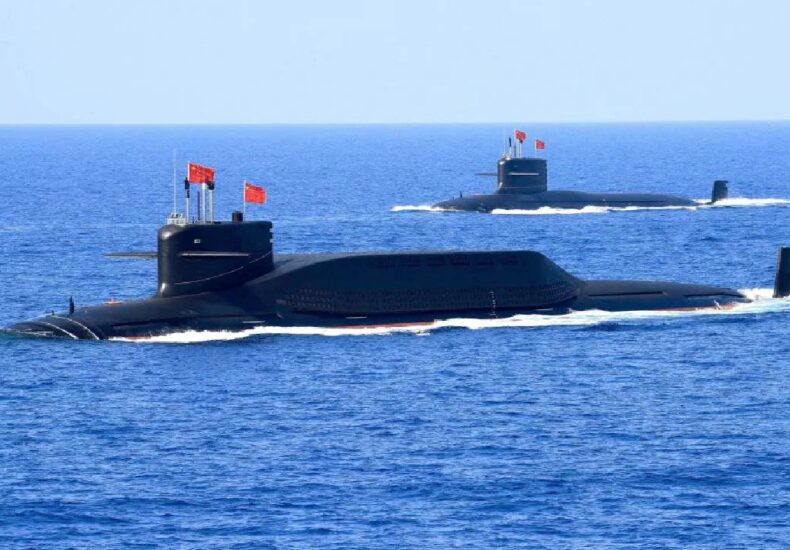
Fundacion Rapala – Across the Pacific, submarines quietly shape deterrence, surveillance, and power projection. Yet the United States Navy faces a growing numerical disadvantage as China, Russia, and North Korea expand their undersea fleets. American attack submarines must cover vast oceans, from the South China Sea to the waters around Taiwan, stretching resources thin. This imbalance worries planners in Washington and allies across Asia. Against this backdrop, South Korea’s proposal to operate nuclear-powered submarines feels less like ambition and more like necessity. By stepping into a larger undersea role, Seoul could shoulder more responsibility close to home. In turn, the U.S. could redirect assets toward broader regional flashpoints. The idea signals a shift in alliance thinking, where burden-sharing moves beneath the waves. For many strategists, this moment reflects how modern security demands practical cooperation, not just political alignment.
South Korea’s Long-Held Dream Beneath the Waves
South Korea’s interest in nuclear-powered submarines did not emerge overnight. For decades, naval leaders have argued that diesel-electric submarines limit endurance and operational reach. Nuclear propulsion would allow South Korean vessels to stay submerged for months, track adversaries quietly, and respond faster to threats. This capability matters as North Korea pursues advanced submarines and China deploys nuclear-powered fleets nearby. Supporters see nuclear submarines as a transformational upgrade rather than a prestige project. They believe such vessels would elevate South Korea from a regional defender to a proactive security provider. Importantly, Seoul already builds advanced conventional submarines, proving its industrial maturity. The missing piece has always been political approval and nuclear fuel restrictions. With new signals of U.S. support, that long-standing aspiration now feels within reach, carrying both promise and complexity.
Trump’s Approval and a Sudden Strategic Opening
Momentum shifted dramatically when U.S. President Donald Trump publicly endorsed South Korea’s nuclear submarine ambitions. His approval marked a rare break from decades of quiet, cautious discussions behind closed doors. By endorsing nuclear-powered submarines, Washington signaled trust in Seoul’s strategic judgment. South Korean leaders framed the move as mutually beneficial, easing the burden on U.S. forces while improving regional monitoring. Trump’s announcement also reframed the alliance, pushing it toward deeper military integration. However, public approval brought new scrutiny. Observers quickly asked how technology sharing, fuel rules, and production would work in practice. While the endorsement opened doors, it also exposed unresolved details. Still, the moment felt historic. It suggested that alliance politics in the Pacific increasingly reward capability, readiness, and shared responsibility rather than restraint alone.
The Advantages of Nuclear-Powered Submarines
Nuclear-powered submarines offer clear operational advantages that conventional vessels cannot easily match. They can remain underwater for extended periods without surfacing, reducing detection risk. Their speed allows rapid repositioning across wide maritime spaces. Quiet propulsion improves stealth, a critical factor in submarine warfare. For South Korea, these traits translate into better tracking of North Korean and Chinese submarines near its shores. Strategically, they provide flexibility during crises, enabling persistent presence without frequent resupply. Supporters argue that such capabilities strengthen deterrence without escalating conflict. However, nuclear submarines also require advanced training, safety protocols, and long-term investment. Their power lies not only in technology but also in disciplined operation. As a result, adopting them represents a long-term commitment rather than a quick solution, reshaping naval doctrine for decades.
“Read More : Lawmakers Await Epstein Files as Trump Administration Faces a Defining Moment”
Industry, Jobs, and the Question of Where to Build
Beyond security, submarine construction carries major economic implications. Thousands of skilled jobs could emerge in shipyards, supply chains, and engineering sectors. Yet disagreement remains over where South Korea’s nuclear submarines should be built. Trump suggested construction at the Philadelphia Shipyard, now linked to South Korean conglomerate Hanwha. Seoul, however, prefers domestic production to secure technology transfer and industrial growth. Critics fear overseas construction would reduce long-term benefits, turning the project into a simple purchase. Supporters counter that joint production could strengthen bilateral industry ties and modernize U.S. shipyards. This debate highlights a broader tension between speed and sovereignty. Where the submarines are built may matter as much as whether they are built at all, shaping industrial power alongside military strength.
A New Chapter for the U.S.–South Korea Alliance
If realized, South Korea’s nuclear submarine program would mark a turning point in its alliance with the United States. It would signal Seoul’s readiness to play a larger security role beyond its immediate borders. For Washington, it offers relief in an increasingly crowded undersea domain. Yet success depends on trust, transparency, and careful coordination. Nuclear technology demands strict oversight and shared standards. Both sides must balance deterrence with stability, ensuring the move reassures allies without provoking rivals. Ultimately, this plan reflects a changing Pacific, where alliances adapt to new realities. Beneath the ocean’s surface, cooperation may become the strongest defense, redefining how power, responsibility, and partnership flow through the region.