Inside a White Supremacist Compound Hiding in Plain Sight
Fundacion Rapala – At the edge of Tellico Plains, Tennessee, a winding dirt road leads into a landscape once defined by freedom and childhood adventure. For longtime residents, these woods were places of play, imagination, and trust. That feeling has faded. Families who once let their children roam freely now watch the tree line with caution. Parents whisper warnings instead of encouragement. The fear does not come from nature, but from people. A white supremacist group linked to Patriot Front has quietly established a presence nearby, transforming familiar land into a source of anxiety. The mountains remain beautiful, but the mood has changed. Locals describe a sense of being watched, of living beside something secretive and unpredictable. This fear, slow and persistent, shows how extremism does not need city streets to thrive. It can grow silently in places that once felt safest.
Patriot Front and the Architecture of Extremism
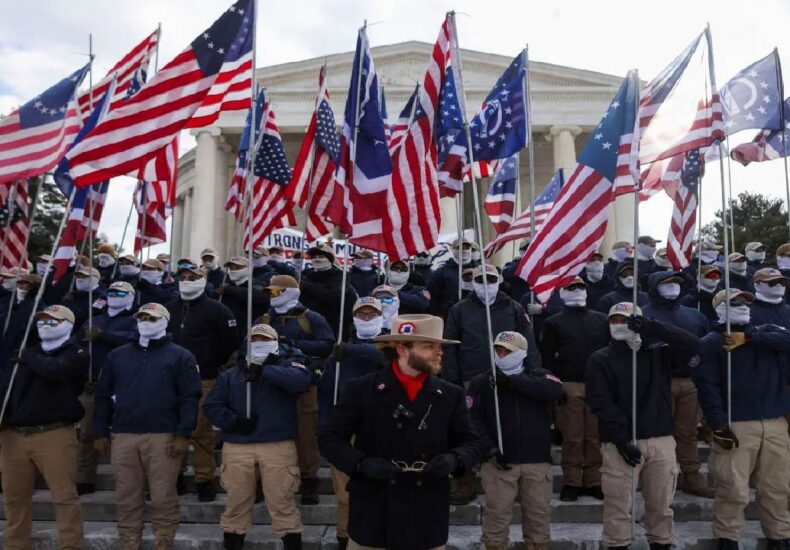
Patriot Front ranks among the most active white nationalist groups in the United States. The Southern Poverty Law Center lists it as a hate group, and federal analysts track its movements closely. Members march in coordinated formations, hide their faces behind masks, and use striking visuals to attract attention online. Behind that public image, the group works methodically. CNN’s investigation reveals the construction of a 124-acre compound in eastern Tennessee, complete with multiple buildings and training facilities. The group presents itself as disciplined and ideological, but its actions raise serious concerns. Patriot Front’s beliefs promote racial exclusion and reject democratic values. Experts warn that compounds like this allow extremist ideas to deepen, unchecked by outside scrutiny. The Tennessee site shows how modern extremist groups blend secrecy, structure, and symbolism to sustain themselves.
“Read More : When Fear Was Normalised: Australia and the Road to Bondi”
Neighbors Living Beside an Invisible Threat
For nearby residents, the compound’s presence feels personal and invasive. Loud noises echo through the woods during gatherings. Electricity lines appeared quietly. Strangers arrive and disappear. Parents fear letting their children play outdoors. Yet many neighbors avoid speaking publicly, worried about retaliation. This silence highlights a painful reality: extremism does not only harm its direct targets; it reshapes entire communities through fear. Locals describe feeling trapped between wanting peace and fearing consequences. The group’s secrecy magnifies that tension. Without signs or fences announcing its purpose, the compound blends into the landscape, forcing residents to rely on instinct and rumor. That uncertainty wears people down. The emotional toll of living beside an extremist enclave often goes unnoticed, but in Tellico Plains, it defines daily life.
Training, Rituals, and the Path to Radicalization
Footage shared by Patriot Front members offers a glimpse inside the compound’s activities. Videos show physical training, spiritual-style rituals, and bare-knuckle fighting inside a gym-like structure. These sessions do more than build strength; they reinforce loyalty and identity. Extremism experts explain that such environments accelerate radicalization by isolating members from opposing views. The compound functions as both a physical and ideological training ground. Young men bond through shared hardship and belief, deepening commitment to the cause. This combination of fitness, ritual, and secrecy mirrors tactics used by extremist groups worldwide. While Patriot Front claims nonviolence, its history includes violent incidents and legal judgments. The Tennessee compound raises concern because it creates conditions where ideology hardens and escalation becomes easier.
“Read More : Warren Buffett, the Quiet Zen Master of Modern Capitalism”
Leadership, Ideology, and the Cult of Control
At the center of Patriot Front stands its leader, Thomas Rousseau. He promotes an ideology that defines “American” identity through race and ancestry alone. His writings argue that the country faces cultural conquest, framing diversity as a threat. Former Homeland Security analyst Daryl Johnson warns that such rhetoric fuels isolation and justifies extreme action. The compound’s manager, Ian Elliott, describes the land as “tribal,” language that reinforces exclusion and belonging based on bloodlines. This framing creates an “us versus them” mindset that leaves little room for dissent. Leadership structures within Patriot Front emphasize obedience and unity, discouraging critical thought. Experts note that this concentration of control increases the risk of splinter cells and violent offshoots. Ideology, once rooted in land and ritual, becomes harder to dismantle.
A Broader Warning for American Communities
The compound near Tellico Plains reflects a national challenge, not a local anomaly. According to Anti-Defamation League data, Tennessee ranks among the states with the highest number of white supremacist events. Extremism adapts to geography, finding refuge in rural spaces as easily as urban ones. This story underscores how hate movements exploit isolation, digital platforms, and community silence. For journalists and citizens alike, the lesson is clear: vigilance matters. Ignoring early signs allows networks to strengthen. Transparency, education, and community support remain the strongest defenses. Tellico Plains serves as a warning of what happens when extremist movements hide in plain sight, and how quickly fear can replace trust when ideology goes unchecked.