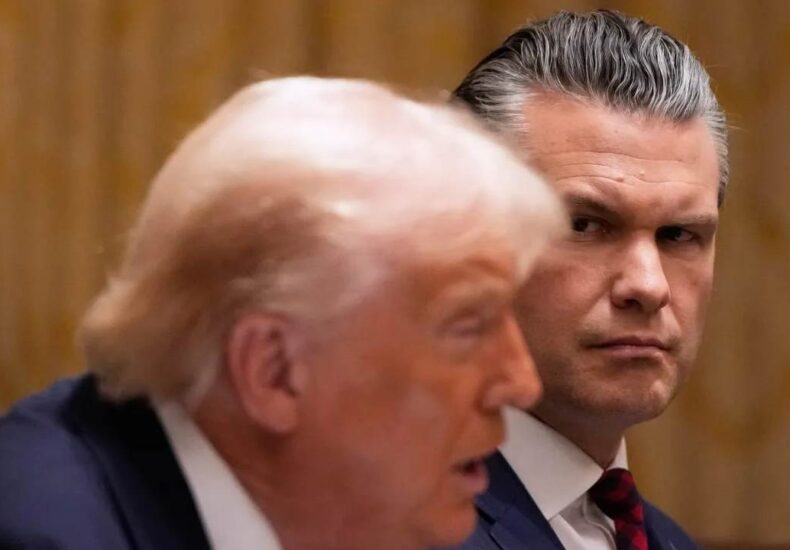
Tracing the Shifting Story Behind the Trump Administration’s “Double-Tap” Strike
Fundacion Rapala – President Donald Trump surprised the country when he posted a video of a burning boat on Truth Social. He claimed the US military had struck a “Tren de Aragua narcoterrorist” vessel in the Caribbean. The announcement felt dramatic and sudden. Trump framed it as a bold act to protect the US from drugs and violence. Yet even in those early hours, gaps started to appear. Officials shared very few details about who was on the boat, the intelligence behind the strike, or the exact outcome. Many reporters pushed for answers, but the administration kept its message vague. They repeated that the mission was clean and successful. As the story grew, the early silence became the root of later confusion.
Scrutiny Grows as News of a Second Strike Appears
Within days, news organizations reported new details. Sources said the military launched a second strike after seeing survivors on the damaged boat. This “double-tap” raised immediate concerns among lawmakers and military lawyers. The Pentagon later confirmed that 11 people died. The follow-up strike had never been mentioned by the administration. That omission created a wave of questions. Why was the second strike hidden? Who ordered it? Was it necessary? These concerns pushed the incident into the national spotlight. The administration now faced pressure not just to clarify the mission, but also to justify why the public had been kept in the dark.
Conflicting Accounts From Key Officials
As questions increased, top officials began to contradict one another. Secretary of State Marco Rubio first said the boat was likely headed toward Trinidad. The next day, he said it was moving toward the US. Defense Secretary Pete Hegseth claimed he watched the strike live and knew who every person on the boat was. Later, he said he only saw the first strike and learned about the rest hours afterward. Lawmakers said they were told the military did not know every identity on the vessel. These mixed messages created confusion. Each update seemed to rewrite the story. Instead of calming concerns, the shifting statements made the situation feel more unsettled.
The Legal Argument Shifts With the Story
Under pressure, officials leaned heavily on a legal claim that the drugs on board were “weapons” moving toward the US. Military lawyers questioned that reasoning. They said the Caribbean route usually sends cocaine to Europe, not America. Hegseth insisted the operation followed US and international law, but gave few details. This raised even more doubts. Critics wanted to know what threat the crew actually posed and whether the strike met the standards for using lethal force. As the public demanded answers, the administration focused on defending the mission instead of explaining the intelligence behind it.
Admiral Bradley Moves to the Center of the Explanation
As the story shifted, officials started pointing to Adm. Frank “Mitch” Bradley, the commander of US Special Operations Command. They said he ordered the second strike. The White House repeated that Bradley acted within his authority. Hegseth praised him as a “true professional” and distanced himself from earlier claims that he watched the full mission. Trump also said he was not involved in the decision and did not know about the follow-up strike. This shift placed the responsibility squarely on the operational chain of command. It also raised new questions for Congress, which prepared to question Bradley directly.
Pressure Builds as Officials Walk Back Statements
By late November, the administration’s explanations had changed several times. Hegseth dismissed news reports as “fabricated,” then later admitted he had not seen the entire mission live. Trump said he “did not want” a second strike and would not have supported it. Days later, he avoided repeating that concern. Instead, he simply noted he had not known about it. Each new statement changed the tone of the one before it. The constant adjustments created the sense that the story was being assembled in real time. For many observers, the lack of a consistent account raised doubts about how decisions were made that day.